



Escape from Duckov markets itself as a satirical survival-shooter parodying ultra-hard extraction games. Its bizarre premise—escaping a bird-infested militarized wasteland of hyper-intelligent ducks—might make players expect pure comedy. But beneath the cartoon feathers lies a surprisingly brutal tactical experience. Every raid is a gauntlet of scavenging, stealth, and chaotic firefights, all shattered by one central issue:
the unpredictable, erratic, and escalation-prone AI behavior of Duckov’s hostile fowl forces.
This article explores this specific issue in deep detail: how the AI behaves, why unpredictability grows exponentially during raids, how it disrupts tactical planning, how players adapt, and why the system becomes increasingly unstable the deeper you go. This is not a general review—it is a granular analysis of one systemic problem at the heart of the game’s chaos.
1. The Foundations of Duckov’s Artificial Intelligence System
Escape from Duckov’s enemies are intelligent ducks—soldier ducks, sniper ducks, berserker ducks, engineer ducks, and more. Their AI system was built to mimic aggressive extraction-shooter enemies but with comedic bird-like twists.
H3: The Intended Design Philosophy
The design aims for:
- Quick reactive decision-making
- High visual awareness
- Flock intelligence (group movement)
- Bursts of aggression
H4: The Gap Between Design and Reality
On paper, the AI should simulate tactical enemies.
In practice, they behave like unstable wild animals armed with military-grade equipment.
This unpredictability is where the major issue begins.
2. Early Raids: The Calm Before the Storm
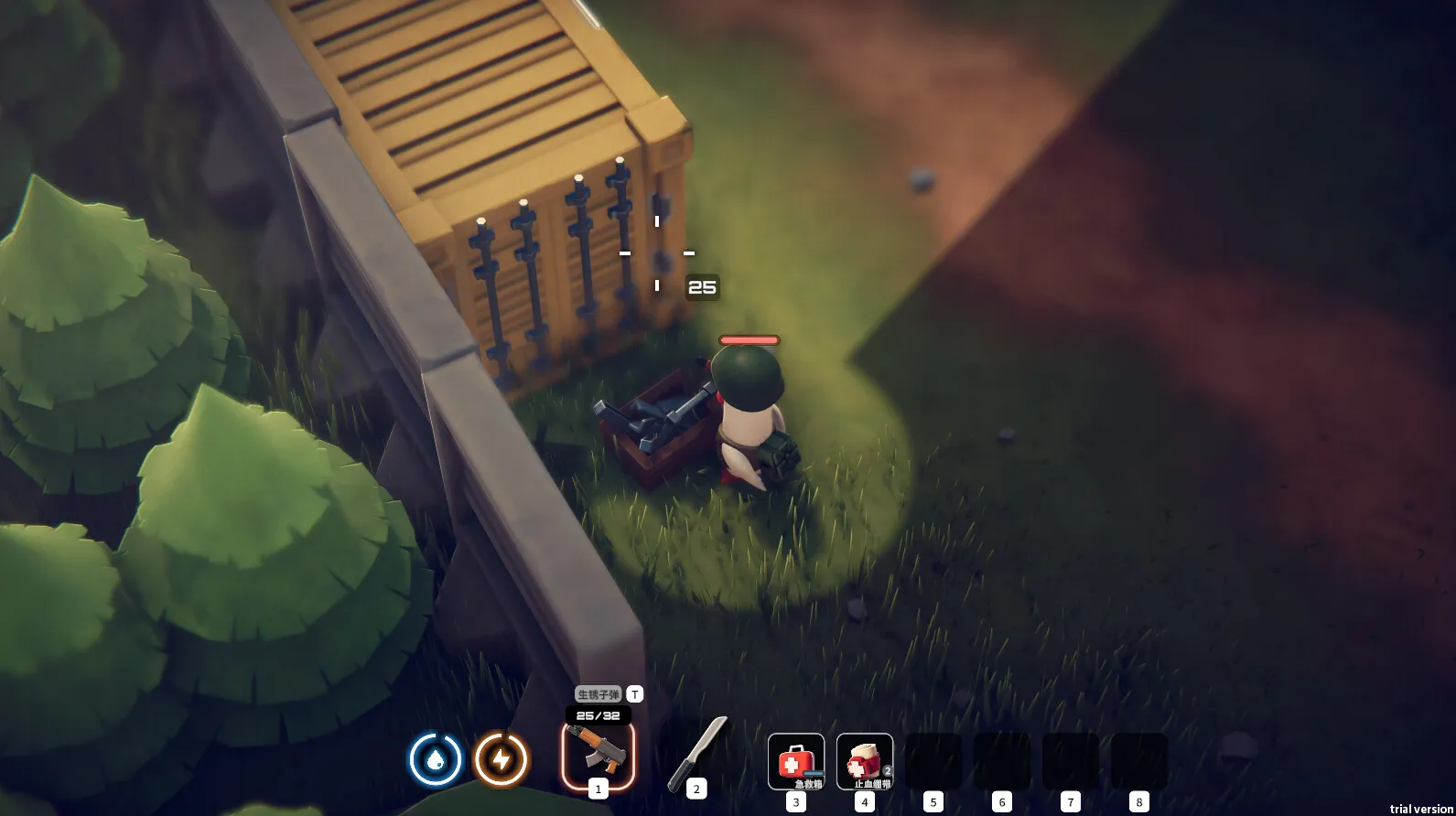
In early levels, AI ducks behave almost normally—their movement is readable, their aggression cycles predictable.
H3: Early-Game Stability
Players can anticipate:
- Patrol patterns
- Reaction times
- Basic ambush behavior
- Retreat behavior when wounded
H4: Why Early Raids Feel Balanced
Enemy distribution is low, sound detection ranges are smaller, and spawns are fixed rather than reactive.
The AI’s unpredictability exists, but it’s contained.
3. The First Signs of Unpredictability: Mid-Raid Behavioral Drift
As raids progress longer, AI ducks begin to “drift” into erratic behavior patterns.
H3: The Drift Phenomenon
Behavioral drift includes:
- Ducks forgetting their patrol routes
- Rapid aggression without provocation
- Sudden paralysis followed by explosive movement
- Unrealistically accurate shots after periods of inactivity
H4: Systemic Instability
This drift is caused by:
- Overlapping aggro triggers
- Stacked awareness states
- Sound cue overload
- Flock clustering glitching the pathfinding
4. Aggro Cascade: The Mid-Game Spike
The most infamous part of Duckov’s AI problem is Aggro Cascade—a chain reaction where a single alerted duck alerts an entire region.
H3: How Cascade Works
One duck screams.
Nearby ducks scream.
Those ducks alert others.
Suddenly the map erupts with enraged feathered soldiers.
H4: Tactical Planning Becomes Impossible
Players attempting stealth or extraction are suddenly dealing with:
- Reinforcement swarms
- Ducks sprinting across the map
- Snipers repositioning instantly
- Explosive duck engineers rushing blindly
This transforms raids into chaotic firefights.
5. Visual-Audio Overload and It’s Role in AI Unpredictability
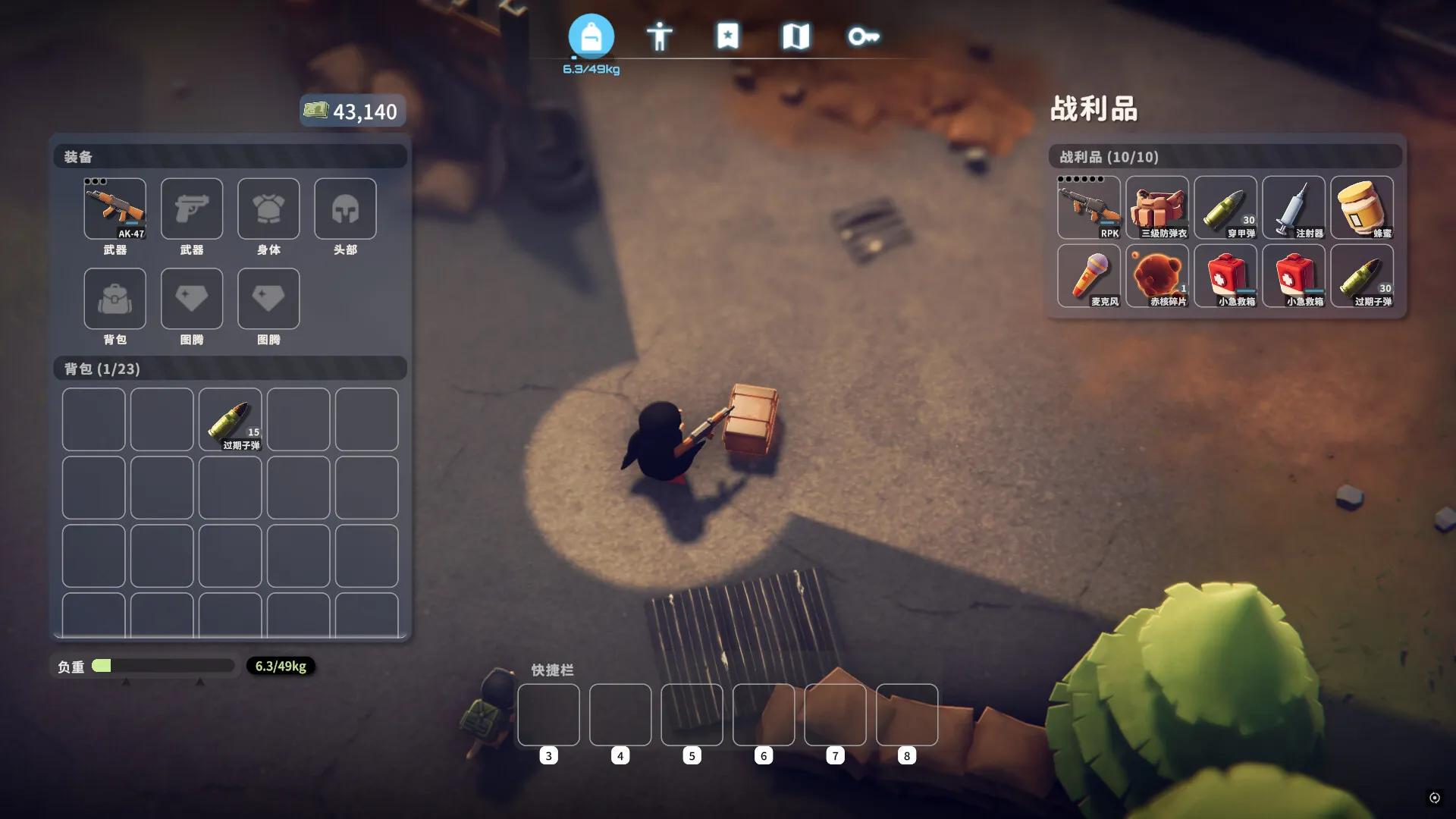
The game uses exaggerated audiovisual cues to emphasize humor, but these cues confuse the AI.
H3: Audio Cues Create Over-Aggression
Gunshots trigger:
- Distant ducks sprinting from unrealistic distances
- Hidden ducks breaking cover
- Random ducks duplicating audio triggers
H4: Visual Cues Cause Misfires
Flashbangs, grenades, and muzzle flashes override AI routines.
Sometimes ducks run toward explosions instead of away.
Other times they freeze in place.
6. Flock Logic: The Source of Most Chaos
The AI relies on flock-logic: positioning and behavior influenced by nearby ducks.
H3: Intended Flock Behavior
It should create:
- Natural group patrols
- Coordinated attacks
- Tactical retreats
H4: Unintended Behaviors
When too many ducks cluster:
- They get stuck
- They rubberband teleport
- They share detection states
- They all aggro simultaneously
This leads to absurd, comedic, but tactically destructive scenarios.
7. The Sniper Duck Problem
Sniper ducks are the apex predator of unpredictability.
H3: Why Snipers Break Tactical Flow
Sniper ducks:
- Ignore normal visibility rules
- Track players behind partial cover
- Fire before full aim animation finishes
H4: Late-Game Sniper Instability
Late in raids, snipers become even worse due to:
- Aggro Cascades making them hyper-aware
- Flock signals boosting their accuracy
- Map-wide triggers that allow them to shoot the player from absurd distances
8. Player Psychology: How Unpredictable AI Shapes Experience
The AI problem does more than break tactics—it changes how players emotionally approach the game.
H3: Anxiety and Overcaution
Players expect:
- Predictable stealth
- Tactical firefights
- Learnable patterns
Instead, they face:
- Random death
- Ducks firing from off-screen
- Aggro spikes without cause
H4: Humor vs. Frustration
The comedy of duck warfare eventually gives way to:
- Stress
- Over-preparation
- Hyper-alertness
- Rage-quits
The game’s intended humor competes against unintended difficulty.

9. Community Adaptation: Meta Strategies Against Unpredictable AI
Players have developed unconventional methods to survive Duckov’s AI chaos.
H3: Strategy List
- Pre-raid noise manipulation
- Aggro dumping (trigger AI early to reset pathways)
- Sniper-first clearing patterns
- Avoiding certain map areas entirely
- Using sound traps to redirect flocks
H4: The “Duck Whisperer” Approach
Some players intentionally trigger and then kite groups of ducks in circles, forcing their AI to glitch into predictable loops.
This is practical but not intended gameplay.
10. Why the AI System Spirals Out of Control
The root causes of Duckov’s AI issues converge into one technical reality:
multiple overlapping AI systems operate without hierarchical priority.
H3: Competing Systems
The AI includes:
- Flock logic
- Aggro logic
- Sound detection
- Visual detection
- Tactical pathfinding
- Panic mode
- Game event overrides
- Random comedic interrupts
H4: No Priority Hierarchy
Because no clear priority stack exists:
- Ducks switch behaviors mid-animation
- Pathfinding cancels attack routines
- Aggro interrupts stealth logic
- Flock signals override tactical positioning
This creates AI that is hilarious… and completely uncontrollable.
Escape from Duckov is a brilliant, chaotic parody of extraction shooters, blending absurd humor with surprisingly deep survival mechanics. But the game’s greatest strength—its unpredictable, comedic enemies—also creates its greatest systemic flaw. The AI ducks, driven by overlapping behavioral systems and escalating flock logic, become less predictable the longer a raid lasts.
Instead of predictable stealth, the player faces explosively erratic aggression. Instead of tactical firefights, they get aggro cascades. Instead of careful planning, they rely on reactive improvisation. The result is gameplay that’s uniquely intense and undeniably funny—but also structurally unstable and sometimes deeply frustrating.
The problem does not stem from difficulty itself, but from inconsistency. When AI ducks respond in wildly different ways to the same inputs, the player cannot build reliable strategies. This forces the community to develop unconventional, borderline exploitative methods just to survive.
Escape from Duckov thrives on chaos—but the chaos often overwhelms its tactical foundation. Understanding the roots of this unpredictability reveals both the brilliance and the limits of its design.