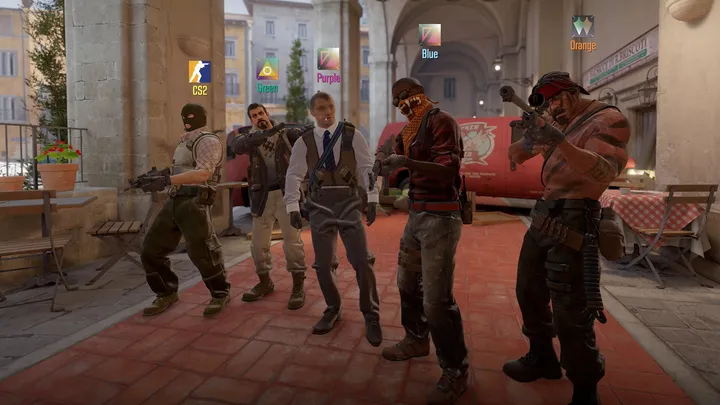


The history of first-person shooters is marked by singular turning points—moments where the fundamental rules of engagement shift, and the industry is forced to adapt. For Counter-Strike, that turning point arrived with the transition from the iconic Global Offensive (CS:GO) to the Source 2 engine-powered Counter-Strike 2 (CS2). Announced in the spring of 2023 and solidified as the new standard by late 2023, CS2 did not just upgrade the graphics; it overhauled the physics, the utility meta, and the very foundation of competitive play. As we navigate the landscape of 2026, Counter-Strike 2 stands as a testament to the "evergreen" nature of competitive tactical shooters. This comprehensive news retrospective tracks the journey from the shock of the announcement to the refined, high-stakes ecosystem that dominates esports today.
1. The Shock of the Announcement: The End of the CS:GO Era (March 2023)
In March 2023, Valve broke the silence that had surrounded the franchise for a decade. The news of Counter-Strike 2—a free upgrade for CS:GO—sent shockwaves through the industry. Unlike traditional sequels that fragment the player base, Valve’s news strategy was unique: they were replacing the most played game on Steam with a brand-new engine. The initial reveal focused on three "pillars": the Source 2 lighting and particle effects, the revamped "sub-tick" architecture, and the most discussed feature of all: volumetric smoke grenades.
The industry response was immediate. News outlets and analysts debated the risks of moving away from the "feel" of CS:GO, which had been perfected over ten years. Valve’s decision to move to the Source 2 engine was the central story, as it promised to solve the long-standing "hit-registration" issues that had plagued the older engine. For the professional scene, this news was both exciting and terrifying, as the game they had mastered was essentially being rewritten overnight.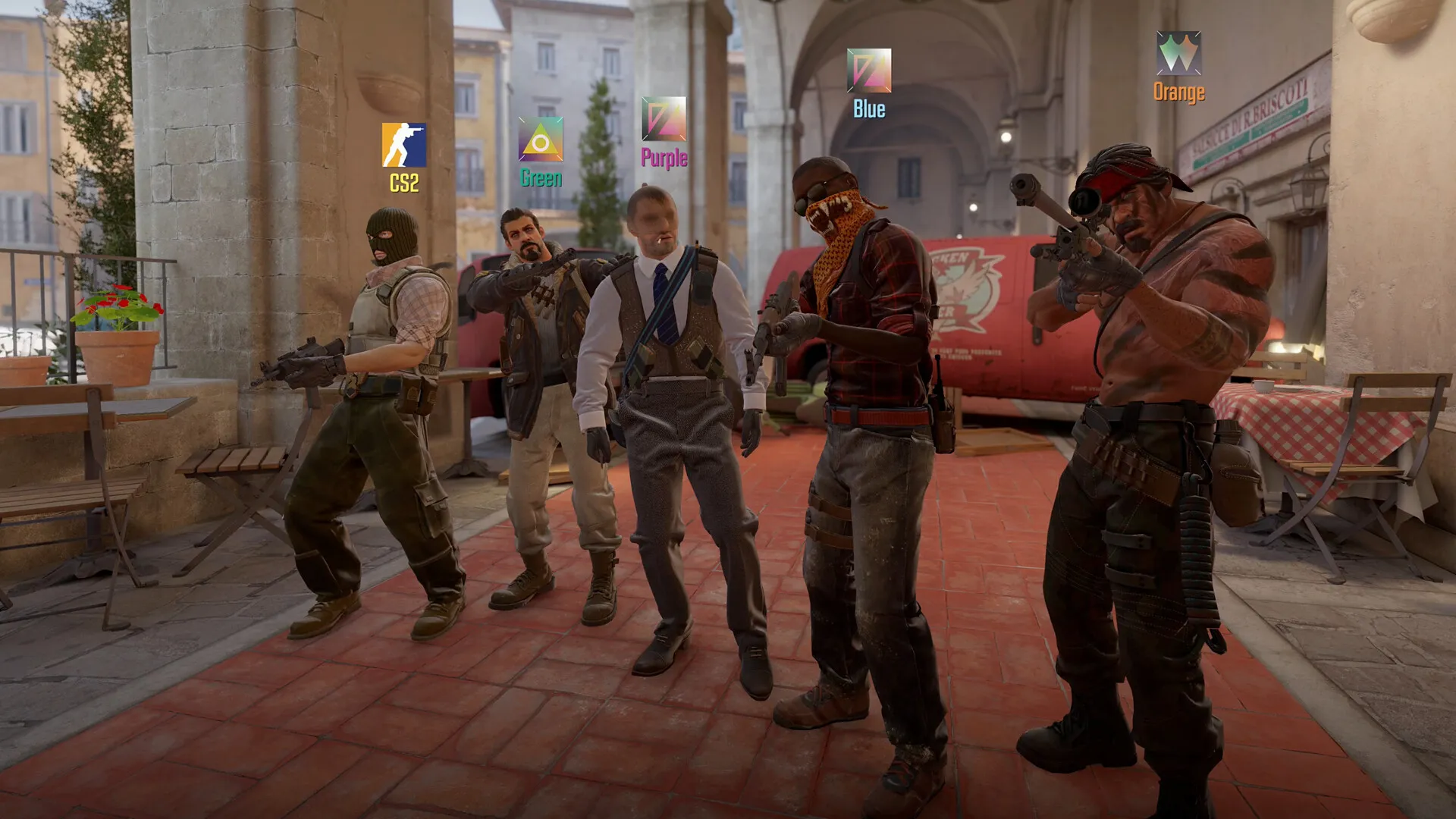
2. The Summer of Testing: The Limited Test Phase (Mid 2023)
Following the announcement, the news cycle turned toward the "Limited Test." Valve’s approach to testing was methodical, rolling out access to veteran players and those with high "Trust Factor." During this time, the news was dominated by bug reports and gameplay analysis. Players were dissecting the new "Sub-Tick" system—Valve's proprietary way of ensuring that every mouse click and movement is processed precisely, regardless of server tick-rate. This was the most important news for competitive integrity.
The Pillar of Competitive Integrity
- Sub-Tick Precision: News coverage highlighted how sub-tick input aimed to eliminate the advantage of lower-ping players.
- Map Reworks: Valve categorized maps into "Overhauls" (like Nuke), "Upgrades" (like Ancient), and "Touchstones" (like Dust II).
- Community Feedback: News reports tracked how Valve was adjusting the movement speed and "peek-advantage" in real-time based on pro player feedback.
3. The Official Launch and the Farewell to CS:GO (September 2023)
September 27, 2023, is etched into gaming history as the day Counter-Strike 2 officially went live, effectively sunsetting Global Offensive. The news of the global release was accompanied by a massive influx of players, leading to record-breaking concurrent user counts on Steam. While the launch was celebrated, the news also covered the "teething problems"—players reported that the movement felt "floaty" compared to CS:GO, and the removal of certain modes like "Arms Race" and "Demolition" created a vocal outcry from the community.
The launch news was framed by a sense of loss for the classic CS:GO experience, tempered by the sheer beauty of the new engine. The volumetric smokes, which could be interacted with by grenades or bullets, fundamentally changed how bombsites were attacked and defended. This was the news story that defined the first few months: the "Smokes Meta." Every tactical guide and news editorial was focused on how these dynamic clouds had made the game more strategic and less about "pixel-perfect" lineups.
4. The Premier Meta: Introducing the Global Leaderboard (Late 2023)
One of the most significant changes news-wise was the introduction of "Premier Mode." Valve replaced the old, obscure ranking system with a clear, global "CS Rating" and a seasonal leaderboard. This was designed to bridge the gap between casual matchmaking and the professional scene. News outlets reported that this move effectively killed off many third-party matchmaking platforms, as players now had an official "pro-style" competitive mode integrated directly into the game client.
H3: Competitive Ecosystem Shifts
- Seasonal Cycles: Each season saw new rank resets and map pool rotations, similar to the professional tournament structure.
- The Leaderboard Race: News headlines were filled with the hunt for the #1 spot, turning matchmaking into a legitimate spectator event.
- Skill Disparity: Early news reports focused on the "Elo Hell" of the new system, as the distribution of ratings stabilized over the first six months.
5. The Professional Transition: Major Championships in CS2 (Early 2024)
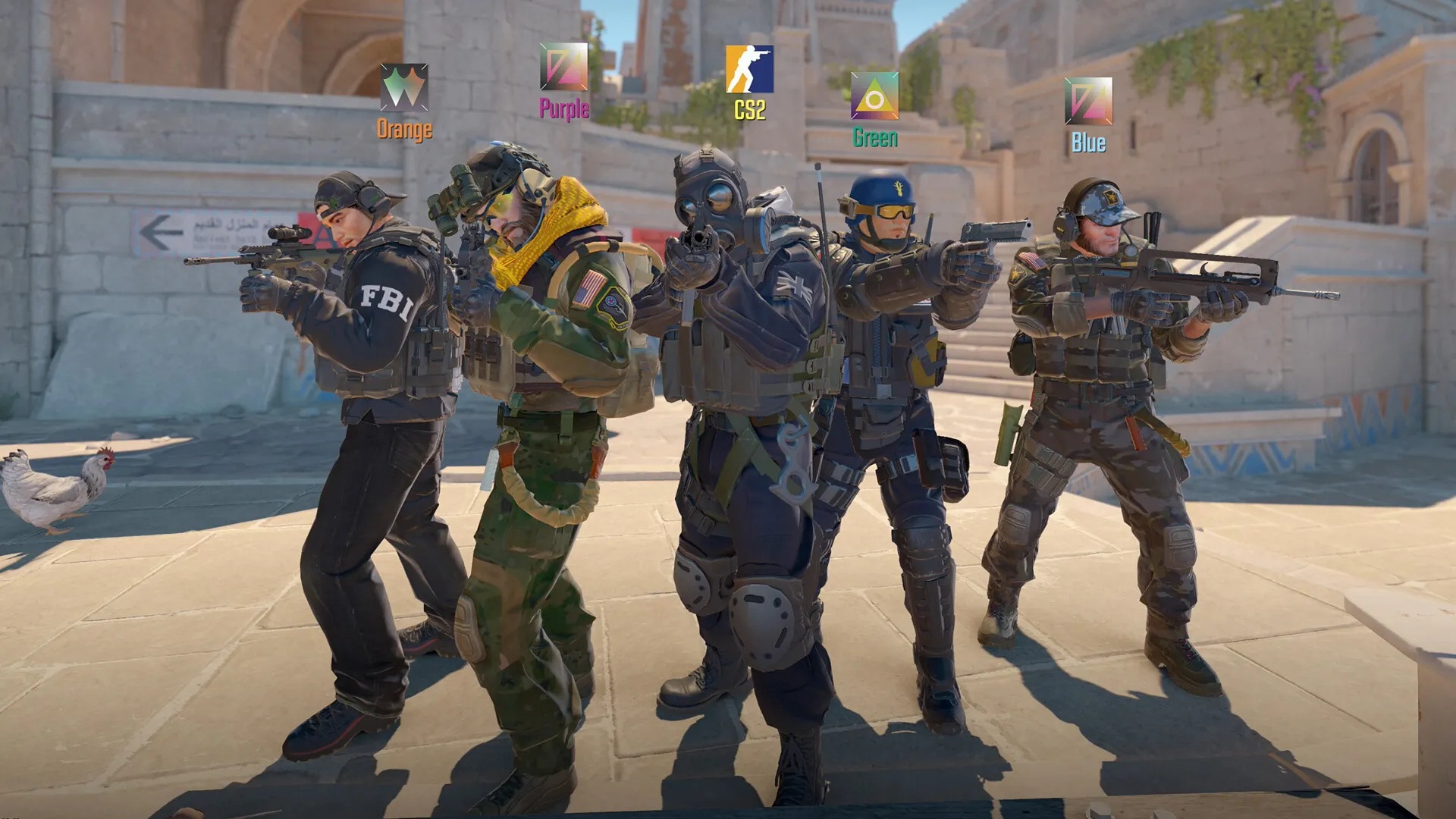
As we moved into 2024, the news shifted toward the professional circuit. The PGL Major Copenhagen was the first major tournament played on the CS2 engine. The news was centered on whether the "pro-meta" would stagnate. Instead, it blossomed. Teams began using the new smoke physics to perform "smoke-ninja" defuses and coordinated utility executes that were impossible in CS:GO. The news was filled with clips of "impossible" plays that solidified CS2’s status as a high-skill ceiling esport.
The pro circuit news also covered the consolidation of power among top teams. With the new engine came new tactical requirements, and teams that failed to adapt to the "utility meta" saw their rankings plummet. This period of news highlighted that CS2 had not just kept the spirit of CS alive; it had breathed new life into team-based coordination, forcing organizations to invest in dedicated "utility" players.
6. The Return of Fan-Favorite Modes (2024-2025)
After a year of focus on competitive integrity, the news cycle in 2024 saw the return of the casual community. Valve systematically reintroduced "Arms Race," "Wingman," and finally, the highly anticipated "Danger Zone." The news of these re-releases was met with overwhelming approval, as it brought back the variety that had been missing since the 1.0 launch. These updates were coupled with a steady stream of "Quality of Life" patches that addressed movement polish and networking stability.
H4: The Impact of Casual Updates
- Player Retention: News reports indicated a 15% increase in daily active users following the return of casual modes.
- Skin Economics: The news of the "Kilowatt Case" and other weapon finishes showed that the Counter-Strike market remained the most valuable economy in all of gaming.
- Event Hosting: Valve began integrating more "community-run" events into the official client, allowing players to jump into custom maps and modes with ease.
7. Anti-Cheat Warfare: The VAC Live Initiative (Ongoing 2025)
The most persistent news story throughout 2025 has been the "War on Cheaters." Valve introduced "VAC Live," an AI-driven anti-cheat system designed to detect anomalous behavior in real-time and terminate matches instantly. The news surrounding this has been mixed; while players have reported fewer "rage-hackers," the cat-and-mouse game between cheat developers and Valve remains the most discussed topic in the community news feed.
The effectiveness of VAC Live has been the subject of countless deep-dive articles. News analysts note that by focusing on data patterns rather than just software detection, Valve has significantly reduced the lifespan of cheat providers. While the "Premier" leaderboards are still cleaned by "ban waves," the overall perception of the game's security has improved compared to the early months of the engine transition.
8. Map Strategy and the "Source 2" Reworks (2026)
As of May 2026, the news cycle is dominated by the latest map overhaul: the release of a Source 2-native "Train." For years, Train was a staple of the competitive map pool, and its return in the updated engine was a major news event. The lighting updates and the integration of dynamic water effects on Train showcased exactly how far the Source 2 engine has come since its initial rollout. The news isn't just about maps anymore; it's about the "environmental interaction."
H3: The Environmental Meta
- Dynamic Maps: Maps now include destructible lights, water puddles that affect sound, and weather effects that can obscure vision.
- Community Map Support: The news regarding the "Steam Workshop 2.0" has enabled modders to create maps that rival official Valve content in quality.
- Tactical Depth: Each new map update brings a host of new "utility lineups" that pro players spend weeks perfecting, keeping the news cycle fresh and competitive.
9. The Global Economy: Skins, Markets, and the Future (2026)
The Counter-Strike economy is the heartbeat of its news. In 2026, the news cycle regarding skin prices, market regulation, and the "crafting" meta continues to be a multi-billion dollar story. With the introduction of the "Custom Finishes" update, players can now tweak the wear and pattern of their skins, leading to a new "crafting-news" sub-sector where rare patterns are bought and sold for record prices.
The news from the financial side of Counter-Strike is that it has become an asset class. The "Legacy" collections continue to appreciate in value, and the news of a potential "Source 2 Economy API" has players excited about the possibility of more transparent trading. Despite the regulatory hurdles that surround digital item trading, the Counter-Strike news cycle remains the definitive source of truth for the digital luxury goods market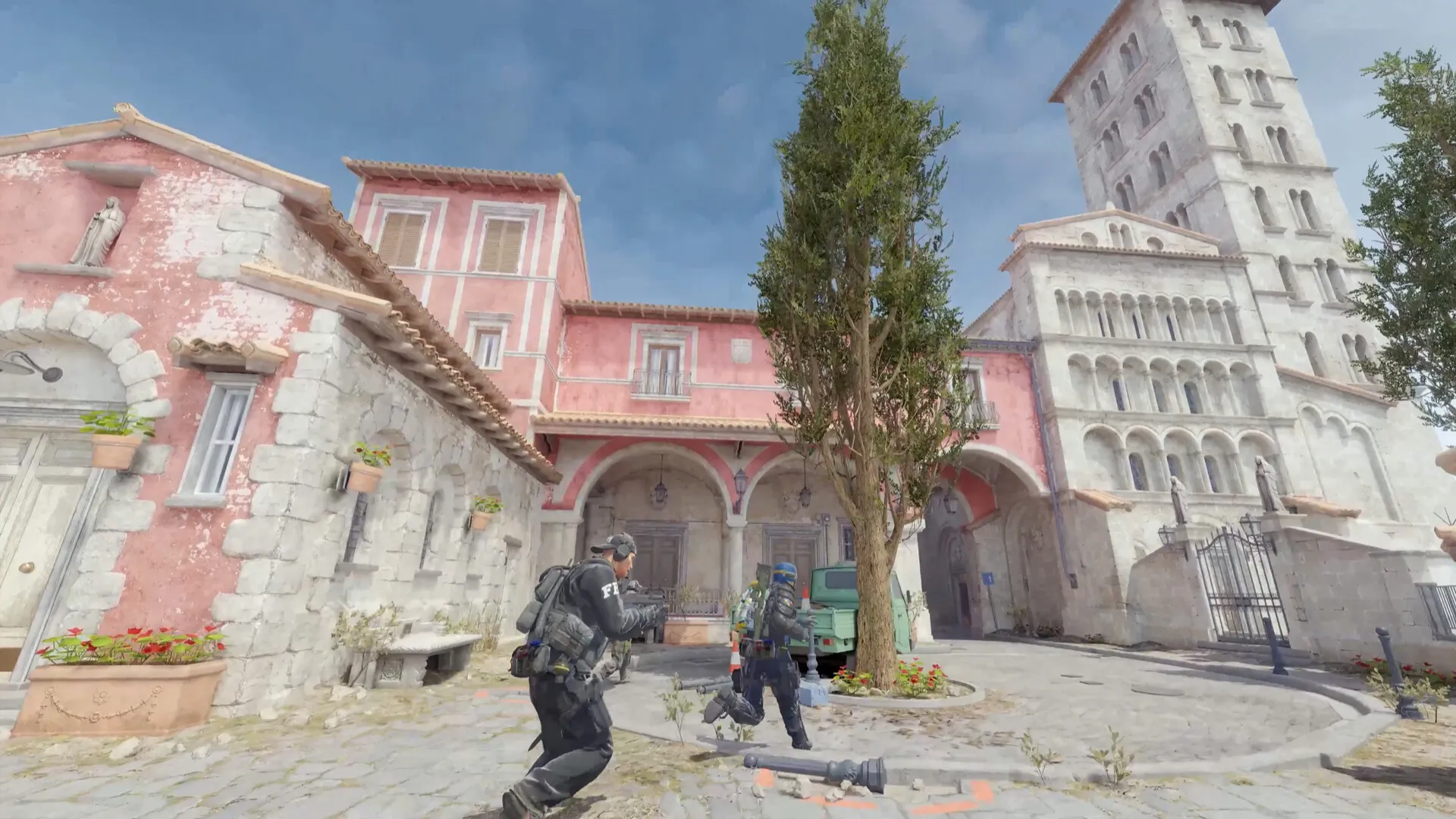 .
.
10. The 2026 Vision: Counter-Strike as an Eternal Sport
Looking toward the remainder of 2026, the vision for Counter-Strike 2 is clear: it is no longer a "game," but an "eternal sport." The news of the upcoming "International Circuit" in late 2026 confirms that Valve is shifting toward a more structured, year-round tournament schedule, reducing the reliance on third-party organizers. This news is a signal that Counter-Strike is settling into its role as the FIFA or NBA of the digital world.
H3: The Future of Mechanics
- Sub-Tick Evolution: News regarding the next generation of networking protocols suggests even lower latency for professional-tier players.
- Community Integration: Valve’s new approach to "Community Hubs" will allow for decentralized servers to run with official-level anti-cheat support.
- The Long Game: News about potential UI overhauls suggests the client will become a "Platform" rather than just a shooter.
Counter-Strike 2 in 2026 is a success story of monumental proportions. It is the story of a developer who took the biggest risk in gaming and, through constant iteration and community collaboration, made the product stronger than it had ever been before. The news today is not about "what's next," but "how much further can we take this perfect loop?"
Conclusion
The journey of Counter-Strike 2 is more than just a list of updates and patch notes; it is the story of a tactical evolution that refused to compromise. From the initial shock of the Source 2 migration to the refined, deep, and hyper-competitive ecosystem of 2026, Valve has proven that the core "Counter-Strike loop" is indestructible. By evolving the utility meta, perfecting the networking architecture, and maintaining a global economy that keeps the community engaged, the studio has solidified its place as the leader in tactical shooters. As the professional scene grows and the casual experience expands with returning modes, Counter-Strike 2 stands as the definitive benchmark for competitive gaming. It is the rare example of a sequel that didn't just replace its predecessor—it immortalized it.