.webp)







Introduction
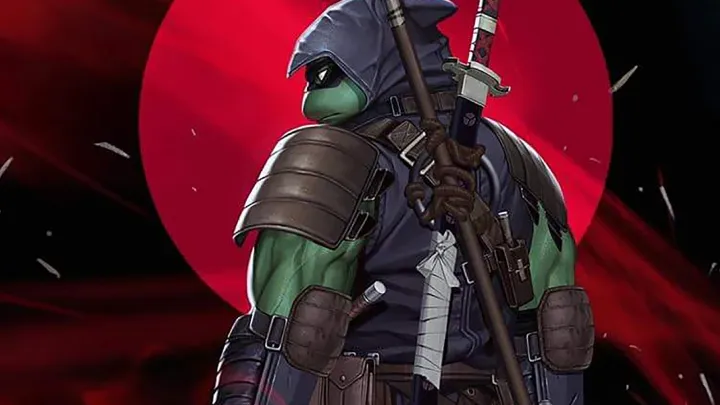
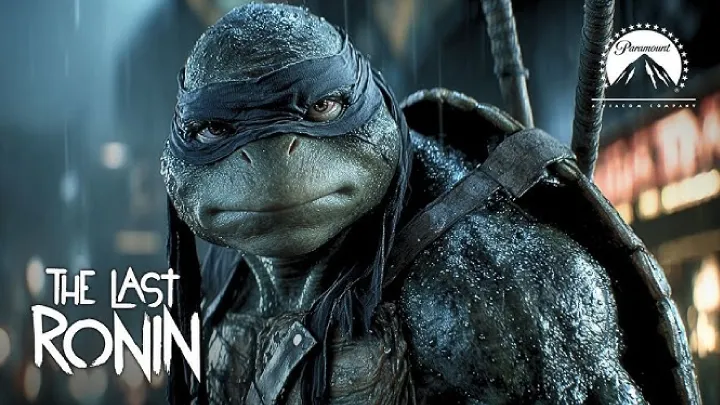
The Last Ronin is a captivating entry in the Teenage Mutant Ninja Turtles (TMNT) franchise, deriving its narrative from the acclaimed comic series of the same name. This game not only acts as an adaptation but also expands upon the story's rich themes of loss, vengeance, and the struggle for redemption. Set in a dystopian future where the Teenage Mutant Ninja Turtles are almost entirely wiped out, the game primarily follows the last surviving turtle, Michelangelo, as he embarks on a mission filled with personal stakes and emotional turmoil. The struggle against grief and the search for redemption are central to the gameplay experience, presenting players with a complex narrative that resonates deeply. This article will explore how The Last Ronin navigates these profound themes, examining character arcs, gameplay mechanics, and storytelling techniques that define this emotional journey.
The Setting: A World in Ruins
The game’s setting lays the groundwork for the exploration of grief and redemption, presenting a world that has been irrevocably altered by loss.
A Dystopian Landscape
- Visuals and Atmosphere: Rendered in a somber, hauntingly beautiful art style, the world feels as if it has been drained of life, mirroring Michelangelo's internal struggles. Abandoned buildings, overgrown landscapes, and remnants of a once-vibrant city serve as poignant reminders of what has been lost.
- Contrasting Environment: This dystopian backdrop contrasts sharply with what players know of the TMNT world, making the emotional stakes feel heightened. Each location serves as a reflection of Michelangelo’s memories, informing the player about the tragic backstories of his brothers and their ultimate demise.
Narrative Depth Through Environment
- Environmental Storytelling: The environments are rich with lore, offering glimpses into previous battles and interactions among the turtles. Players can find remnants of the camaraderie that once thrived, adding layers to the narrative journey.
- Hidden Memories: Collectibles and visual cues scattered throughout the world reveal memories of the past, allowing players to piece together the tragic stories of the fallen turtles, deepening the emotional resonance of Michelangelo’s quest.
Michelangelo: The Last Ronin
At the heart of The Last Ronin is Michelangelo, whose character arc serves as a profound exploration of grief and the heavy burden of survival.
A Journey of Remembrance
- Haunted by Loss: Michelangelo grapples with the weight of his losses, constantly reflecting on the memories of his brothers. This internal conflict shapes his motivations, as he seeks to honor their legacy while bearing the pain of survival.
- Loss of Identity: The pain and responsibility of being the last turtle lead Michelangelo to confront his identity. He must reconcile the fun-loving character players remember with the more somber, burdened individual shaped by grief and loss.
Character Development Through Adversity
- Evolution of Strength: As players progress through the game, they witness Michelangelo's evolution. His journey transforms him from a carefree brother to a determined warrior, showcasing the depth of character development.
- Confronting the Past: Throughout the game, Michelangelo faces various adversaries who embody his past traumas. Each encounter serves as a cathartic experience, pushing him to confront his grief and ultimately embrace his role as the last ronin.
Themes of Grief and Loss
The themes of grief and loss are intricately woven into the narrative, providing the emotional undercurrent that drives the game.
The Weight of Memory
- Collective Grief: Michelangelo's memories of his brothers serve as a driving force. The game actively explores the notion of collective grief, emphasizing how loss permeates his thoughts and actions.
- Flashbacks and Visions: Throughout the gameplay, players experience flashbacks and haunting visions of his fallen brothers, heightening the emotional stakes and emphasizing his longing for the past.
Grieving Mechanisms
- Coping Strategies: Michelangelo employs various coping mechanisms as he navigates his grief. These range from moments of reflection to outright battles against foes that remind him of his losses, illustrating how individuals can vary in their approach to dealing with sorrow.
- Acts of Revenge vs. Redemption: The duality of Michelangelo’s motivations becomes apparent. While revenge against those responsible for his brothers’ demise is tempting, he ultimately seeks redemption—not just for himself, but in honor of his brothers.
Storytelling Techniques: Narrative Engagement
The game employs specific storytelling techniques that enrich the experience and drive home its emotional themes.
Narrative Structure
- Linear Progression with Flashbacks: While the main storyline progresses in a linear fashion, strategic use of flashbacks introduces players to crucial moments, offering insights into character motivations and emotional states.
- Foreshadowing and Symbolism: Symbolic elements are peppered throughout the game, offering players subtle hints of what to expect while reinforcing the pervasive themes of loss and redemption.
Dialogue and Internal Monologue
- Character Interactions: Conversations with NPCs serve to deepen Michelangelo’s character development. They often reflect on loss, providing contrasting perspectives that influence his emotional journey.
- Internal Reflection: Michelangelo frequently engages in internal monologues, allowing players access to his thoughts and emotions. This technique invites players to share in his burdens, creating a deeper emotional bond.
Gameplay Mechanics: A Reflection of Character Themes
The gameplay mechanics in The Last Ronin reflect the overarching themes of grief, survival, and redemption, enhancing player engagement.
Combat Strategies Rooted in Emotion
- Dynamic Combat System: Michelangelo’s combat moves reflect his emotional journey; agile, flowing movements showcase his connection to his brothers while simultaneously conveying the seriousness of his mission.
- Skill Progression: As players advance, they can unlock skills that echo Michelangelo's development. Choices made in combat reflect his growing resolve to honor his brothers, showing how gameplay informs narrative.
Exploration and Discovery
- Finding Remnants: The game rewards exploration, encouraging players to discover lore, memories, and tokens of the past. This exploration reinforces the theme of remembrance, allowing players to piece together the story of the turtles' demise.
- Environmental Puzzles: Puzzles require players to engage with the environment meaningfully, reflecting Michelangelo's internal struggles. This connects gameplay directly to the narrative themes, enriching the player experience.
The Role of Adversaries in Michelangelo’s Journey
The game’s adversaries serve as reflections of Michelangelo's grief, conflict, and desire for redemption.
Foes as Symbolic Representations
- Embodiment of Grief: Many of the enemies Michelangelo faces are symbolic representations of his past. They embody pain, anger, or loss, making confrontations cathartic and meaningful.
- Character Dynamics: Each encounter forces Michelangelo to confront not only external threats but also internal conflicts. The gameplay reflects a struggle between vengeance and the desire to transcend his grief.
Boss Battles of Redemption
- Climactic Showdowns: Boss battles stand as peaks in the narrative, serving not just as combat challenges but as emotional confrontations. Defeating these foes often signifies overcoming a personal hurdle tied to his grief.
- Evolving Relationships: Some confrontations may even reveal layers of complexity, such as former allies turned antagonists, highlighting themes of betrayal and loss and echoing the emotional weight of past relationships.
Redemption: The Path Forward
As The Last Ronin progresses, the theme of redemption becomes increasingly central, offering a pathway for Michelangelo beyond despair.
Finding Purpose Through Loss
- Honor the Fallen: Michelangelo’s journey evolves from one seeking revenge to one focused on honoring his fallen brothers. This evolution embodies a shift from anger to acceptance, making his quest deeply meaningful.
- Building Relationships: Through his experiences, Michelangelo learns about the importance of connection and community, ultimately seeking to ensure that the legacy of his brothers lives on in a positive light.
Completing the Cycle
- Resolution and Peace: The game’s conclusion emphasizes the journey’s closure for Michelangelo. Each battle fought transforms into steps toward acceptance, allowing him to finally confront the overwhelming grief he’s carried.
- Legacy Beyond Sorrow: The resolution helps Michelangelo reconcile with his past. The narrative reinforces that while loss is painful, it can also lead to growth and meaningful legacies.
Emotional Impact and Player Experience
Through its exploration of grief and redemption, The Last Ronin offers players an emotionally rich experience that resonates long after the game ends.
Player Engagement
- Deep Emotional Connection: The personal stakes of Michelangelo's journey foster a sense of empathy and investment from players, making interactions feel meaningful and impactful.
- Cathartic Experience: As players aid Michelangelo in his struggles, they themselves may grapple with themes of loss and redemption, allowing for a cathartic journey.
Legacy and Impact
- Dialogue Among Fans: The emotional narrative encourages dialogue among fans regarding grief and redemption, enriching the player community and fostering connections based on shared experiences.
- Cultural Significance: The Last Ronin stands as a cultural touchpoint in the TMNT franchise, demonstrating how legacy characters can grow and adapt to address profound themes relevant to both the franchise and society.
Conclusion: A Lasting Legacy of Grief and Hope
The Last Ronin stands as a poignant exploration of grief, loss, and redemption within the TMNT universe. Through its beautifully crafted narrative, emotional gameplay, and complex character development, the game weaves a rich tapestry that resonates deeply with players. Michelangelo’s journey from loss to acceptance serves not only as a tribute to the fallen turtles but also as a reflection on the enduring power of memory and legacy.
As players navigate the challenges of The Last Ronin, they are invited into an emotional landscape that is both haunting and hopeful. The game’s exploration of grief as a path to redemption offers a powerful message that echoes long after the final battle, reminding us all of the strength found in our connections and the potential to forge new beginnings from the ashes of sorrow.