


Introduction
Shooting games dominate the global gaming industry, not only because of their action-packed nature but because they test precision, decision-making, teamwork, and mental endurance. Titles like Call of Duty: Warzone, Counter-Strike 2, Valorant, Apex Legends, and Rainbow Six Siege are no longer just games—they are competitive ecosystems with millions of players, evolving metas, esports scenes, and constant balance updates.
However, as these games grow more complex, each develops a defining issue that quietly shapes how players experience competition. These are not surface-level bugs or temporary balance complaints. They are systemic problems rooted in design philosophy, player behavior, and long-term live-service development.
This article analyzes one critical issue per game, examining how these problems formed, how they affect gameplay today, and why they are so difficult to solve. Rather than celebrating popularity, this deep dive focuses on the structural challenges that determine whether these shooting games can remain competitive and fair in the years ahead.
1. Call of Duty: Warzone and the Psychological Pressure of SBMM
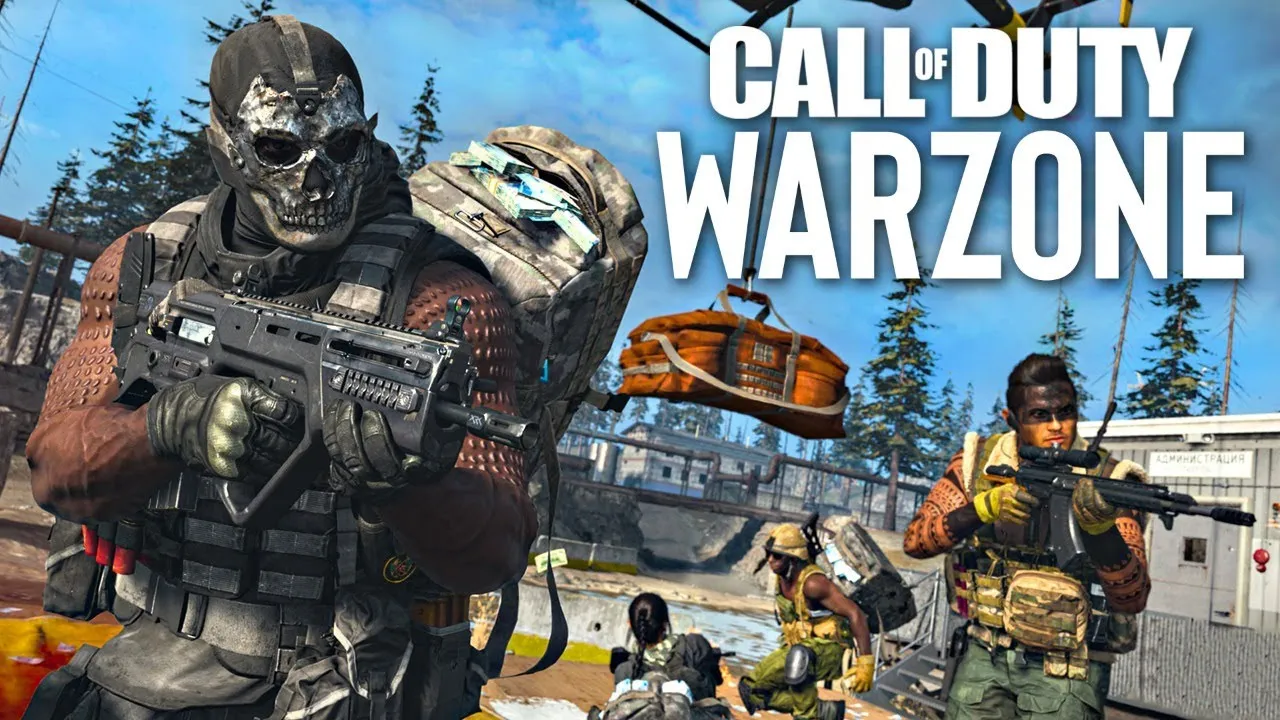
Skill-Based Matchmaking, or SBMM, is the most controversial system in Call of Duty: Warzone. Designed to create fair matches, SBMM instead introduces psychological pressure that fundamentally changes how players approach the game.
In Warzone, SBMM continuously adjusts lobbies based on recent performance. A strong match is often followed by dramatically harder games. This creates an invisible ceiling where players feel punished for improvement. Instead of a natural skill curve, the experience becomes emotionally exhausting, especially for mid- to high-skill players.
The issue is not SBMM itself, but its aggressive tuning. Casual players are shielded, while experienced players are trapped in high-intensity lobbies every match. This removes variety, eliminates “relaxation matches,” and turns Warzone into a constant sweat-heavy environment.
2. How SBMM Changes Player Behavior in Warzone
Because of SBMM pressure, Warzone players adapt in unintended ways. Many avoid aggressive playstyles to protect their matchmaking rating. Others intentionally underperform to reset difficulty. This behavior directly conflicts with Warzone’s fast-paced, high-action identity.
Loadout selection is also affected. Players gravitate toward meta weapons with the fastest time-to-kill, reducing weapon diversity. Risk-taking declines, experimentation disappears, and matches feel repetitive despite large maps and rotating content.
SBMM also impacts social play. Friends with different skill levels struggle to enjoy matches together, as lobbies skew toward the highest-ranked player. This discourages group play and damages one of Warzone’s core strengths: social accessibility.
In-depth analysis of the top 5 shooting games, uncovering hidden system-level issues like SBMM pressure, recoil consistency, ability creep, movement gaps, and meta saturation.
3. Counter-Strike 2 and the Recoil Consistency Debate
Counter-Strike 2 is built on precision, and nowhere is that more apparent than in its recoil system. However, CS2 faces a growing debate around recoil consistency versus perceived randomness, especially with the transition to a new engine.
Historically, Counter-Strike rewarded muscle memory. Recoil patterns could be learned, mastered, and executed under pressure. In CS2, players increasingly report inconsistencies caused by subtick timing, visual feedback differences, and network interpolation.
The issue is subtle but critical. When players miss shots they believe should land, trust in the system erodes. Competitive shooters rely on absolute confidence that skill equals outcome. Any doubt undermines the core philosophy of the game.
4. Why Recoil Perception Matters More Than Math in CS2
Even if recoil values are mathematically consistent, perception defines player experience. In CS2, changes to animations, hit feedback, and bullet registration create moments where outcomes feel disconnected from input.
This affects competitive integrity. Professional players adapt quickly, but average players struggle to determine whether failure is personal or systemic. When effort feels unrewarded, frustration replaces motivation.
The recoil debate also impacts new player retention. CS2 already has a steep learning curve. Perceived inconsistency raises the barrier even higher, reinforcing the game’s reputation as inaccessible to newcomers.
5. Valorant and Ability Power Creep Threatening Gunplay
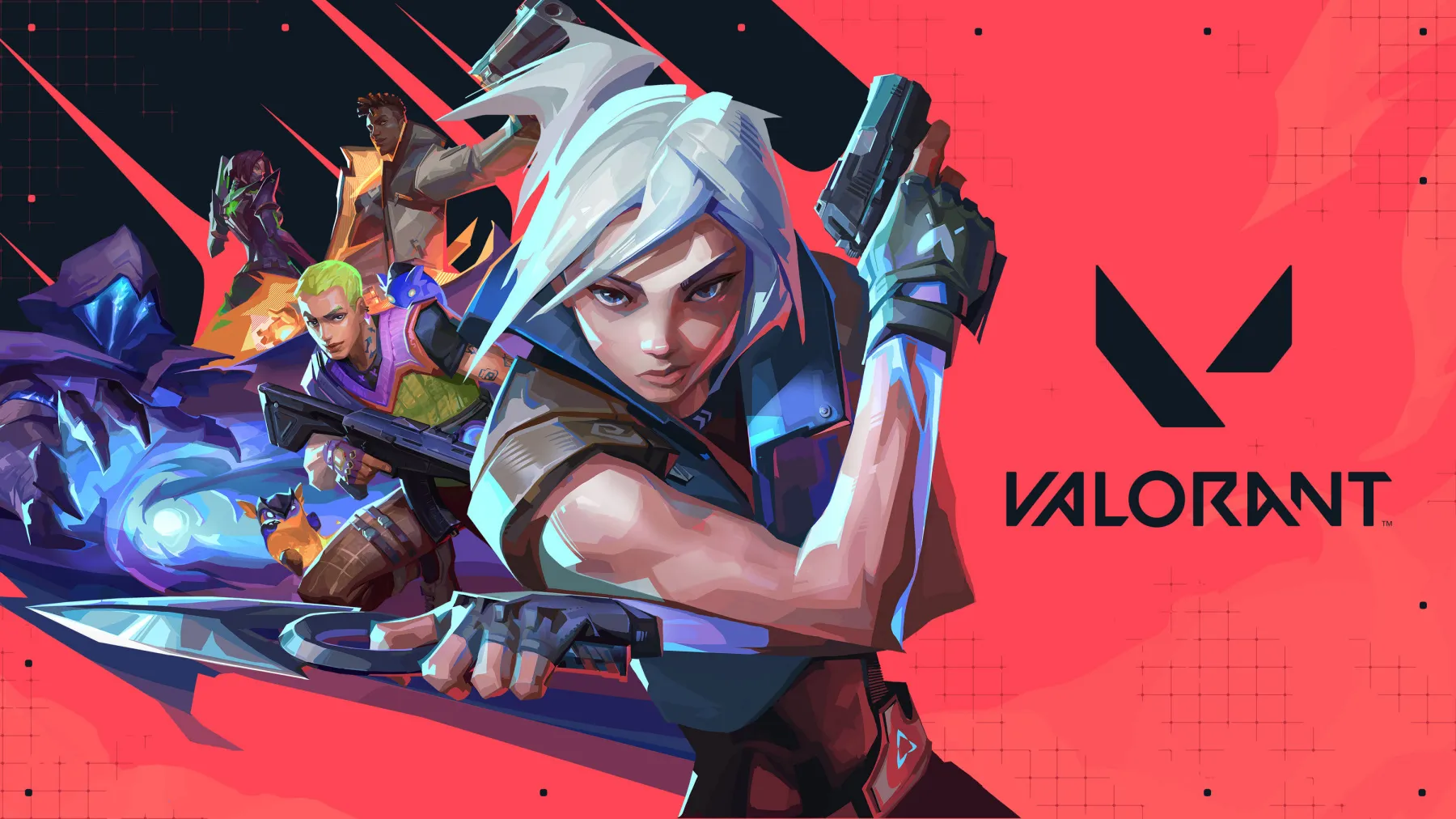
Valorant’s success comes from blending tactical shooting with hero abilities. However, the game now faces a growing issue: ability power creep that threatens the primacy of gunplay.
As new agents are introduced, abilities increasingly provide direct combat advantages—stuns, reveals, movement bursts, and area denial. Gunfights are often decided before bullets are fired, shifting the skill focus away from aim.
This trend risks undermining Valorant’s identity. The game was marketed as a shooter first, abilities second. As ability impact grows, players feel forced into rigid compositions, reducing strategic creativity.
6. How Ability Overload Affects Competitive Integrity in Valorant
Ability saturation increases cognitive load. Players must track cooldowns, audio cues, visual effects, and timing windows simultaneously. This overwhelms mechanical skill and rewards memorization over instinct.
Matches become slower and more calculated, with less room for individual hero moments through pure aim. While teamwork remains essential, solo carry potential declines, which frustrates mechanically gifted players.
Riot faces a difficult balance problem: nerf abilities too much, and agents lose identity; buff gunplay, and ability investments feel meaningless. The longer the game runs, the harder this balance becomes.
7. Apex Legends and the Widening Movement Skill Gap
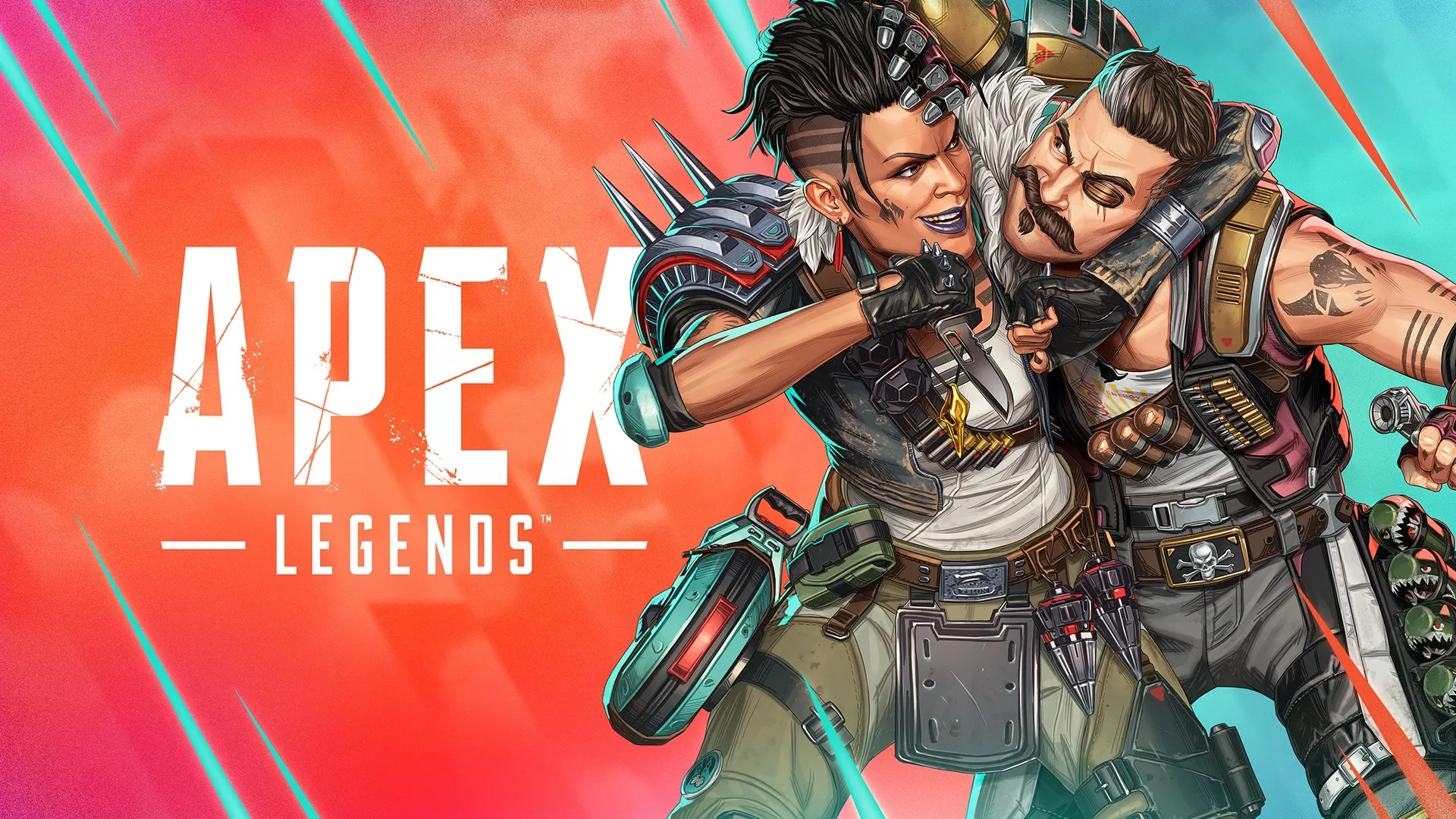
Apex Legends is defined by movement—sliding, wall climbing, zip lines, and momentum-based combat. However, this strength creates a widening skill gap that matchmaking struggles to manage.
Advanced movement techniques like tap-strafing, super-gliding, and animation cancels allow experienced players to dominate engagements. Newer or casual players often feel helpless, unable to track or counter these maneuvers.
The problem is not that movement exists, but that mastery creates an exponential advantage. Mechanical aim becomes secondary to movement fluency, reshaping how fights are won.
8. Matchmaking Strain Caused by Apex’s Movement Meta
Apex’s matchmaking system struggles to fairly group players with vastly different mechanical movement skill. Ranked tiers blur as high-level players smurf or reset seasons quickly.
This results in lobbies where engagement outcomes feel predetermined. Casual players disengage, while high-skill players complain about inconsistent competition.
Respawn faces a core design dilemma: simplify movement to reduce the gap, or embrace it and accept higher churn among casual players. Either path risks alienating a portion of the player base.
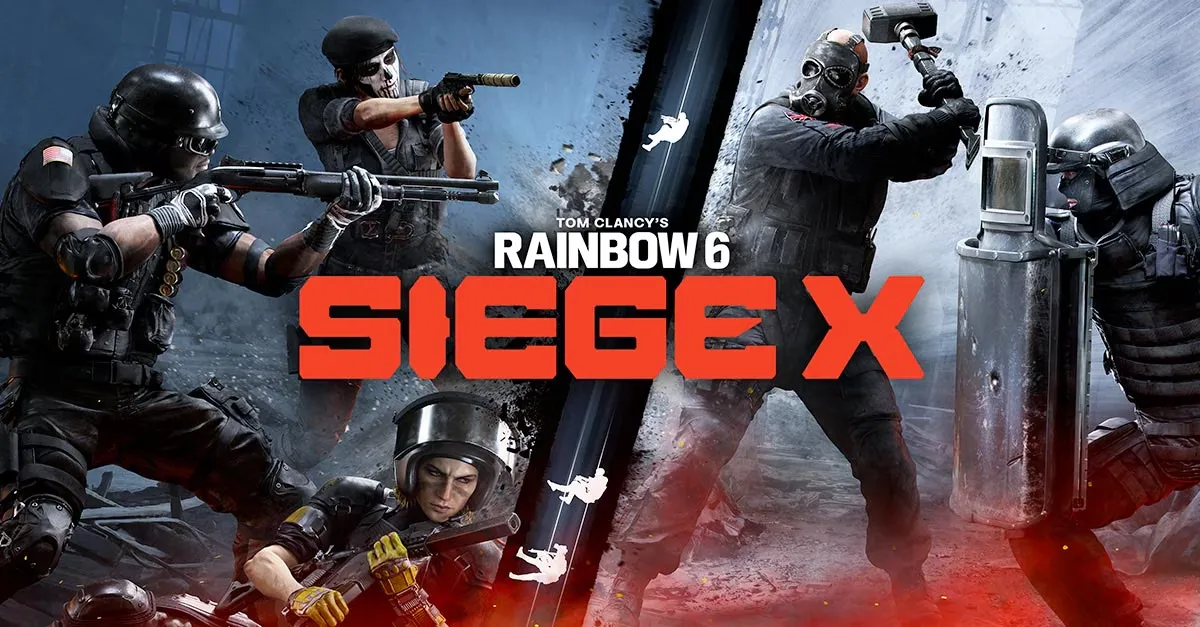
9. Rainbow Six Siege and Operator Meta Saturation
Rainbow Six Siege’s tactical depth comes from its operators, but years of additions have created meta saturation. Too many operators overlap roles, cluttering decision-making and diluting strategic clarity.
New operators often arrive with complex gadgets that counter existing ones. This creates an escalating cycle of counters rather than meaningful innovation. Matches become less about creativity and more about following optimal setups.
The learning curve steepens every year. New players must understand dozens of operators, gadgets, and interactions just to function competently.
10. How Meta Fatigue Impacts Siege’s Longevity
Meta fatigue sets in when players feel forced into specific operator combinations. Experimentation is punished, and diversity shrinks despite a large roster.
Competitive play becomes predictable, while casual play becomes confusing. Siege’s greatest strength—tactical choice—slowly transforms into cognitive overload.
Ubisoft must now manage not just balance, but clarity. Without simplifying or rotating operators, Siege risks becoming inaccessible despite its depth.
Conclusion
The top 5 shooting games in the world are defined not just by gunplay, but by the systems surrounding it. Warzone’s SBMM reshapes player psychology, Counter-Strike 2 battles perception of recoil consistency, Valorant wrestles with ability power creep, Apex Legends struggles with a widening movement gap, and Rainbow Six Siege faces operator saturation.
These issues are not easily solved because they stem from long-term success. As games grow, systems layer upon systems, creating complexity that challenges fairness, accessibility, and enjoyment.
The future of competitive shooters depends on whether developers can refine these systems without erasing what made their games special. Balance is no longer just about numbers—it is about preserving trust between player and game.
160-Character Summary
Deep analysis of the top 5 shooting games, revealing how SBMM, recoil perception, ability creep, movement gaps, and meta overload shape competition.