.webp)




Introduction
Poppy Playtime, developed by MOB Games, has taken the gaming community by storm since its release in October 2021. This survival horror game combines intriguing mechanics with a captivating story, drawing players into the haunting world of an abandoned toy factory. However, one specific issue stands out in discussions about the game: the evolution of psychological horror as a central theme. Unlike many traditional horror games that rely on jump scares and visceral gore, Poppy Playtime employs psychological elements to create a persistent sense of dread and fear. This article delves into the various psychological tactics used in Poppy Playtime to evoke fear, exploring character design, environmental storytelling, sound design, and the underlying narratives that push players to confront their deepest anxieties.
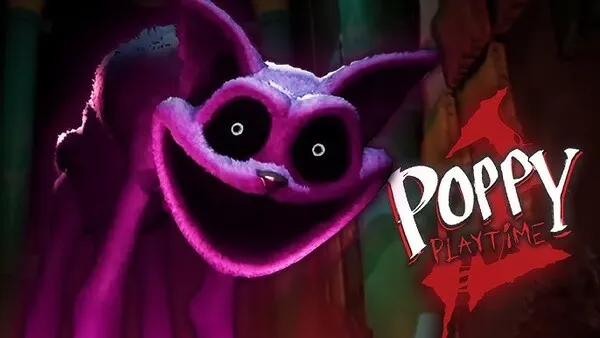
The Foundation of Psychological Horror
Psychological horror is a subgenre that focuses on the mental and emotional aspects of terror, often emphasizing the fragility of the human mind. Poppy Playtime utilizes this genre effectively, creating an atmosphere that resonates deeply with players.
Definition of Psychological Horror
Psychological horror challenges players to confront unsettling themes, often blurring the lines between reality and the mind's darkest corners. The player is not only confronted with external threats but also internal fears, which can be much more terrifying than the creatures lurking in the shadows.
The Role of Atmosphere
Creating a psychologically distressing atmosphere is essential in Poppy Playtime. The game constructs an unsettling environment filled with abandoned toys, dark hallways, and lurking threats that serve to disorient and frighten the player. This atmosphere is pivotal in forming the foundation on which psychological horror can thrive.
Character Design and Its Impact on Fear
The design of the game's characters, including the iconic Huggy Wuggy, plays a crucial role in establishing horror. Their grotesque appearances and unsettling behaviors trigger mental discomfort that goes beyond visual horror.
Uncanny Valley Effect
Huggy Wuggy and other toy characters exemplify the "uncanny valley" effect. This psychological phenomenon occurs when a character appears almost human but retains enough differences to provoke unease. The juxtaposition of childlike innocence with grotesque physicality elicits fear and confusion, triggering primal responses.
The Lure of Attraction
Characters like Huggy Wuggy possess an alluring charm that is instantly recognizable, combining cuteness with horror. This duality engages players on multiple levels, making the characters memorable while also unsettling. The initial attraction is often followed by dread, creating a powerful emotional rollercoaster.
Environmental Storytelling in Poppy Playtime
Environmental storytelling is an essential tool that Poppy Playtime utilizes to create depth and contribute to psychological horror. The surroundings narrate the unsettling history of the toy factory, gradually revealing its dark past.
Abandoned Factory Setting
The choice of an abandoned toy factory as the primary setting adds layers to the horror. The desolate atmosphere is filled with broken toys and dusty machinery, suggesting not just neglect but also the echoes of the past. Exploring these spaces reveals remnants of a once-thriving environment, heightening players' unease.
Historical Context Clues
Through environmental details—such as faded photographs, crumbled documents, and abandoned assembly lines—players piece together the dark history of “Playtime Co.” Each discovery deepens the psychological tension as players uncover the sinister secrets buried within the factory walls. These elements evoke curiosity, fear, and a sense of urgency.
The Role of Sound Design
Sound design is a powerful tool in horror games, and Poppy Playtime effectively employs audio cues to enhance the psychological horror experience. From unsettling ambient sounds to character-specific audio, every sound contributes to the atmosphere.
Cueing and Immersion
The game makes effective use of ambient sounds, such as machinery creaking and distant whispers, creating an immersive experience that draws players deeper into the horror. These soundscapes evoke feelings of paranoia and anxiety, as players constantly question where the next threat might arise.
Character-Specific Sounds
Huggy Wuggy’s unsettling giggles and heavy footsteps amplify the psychological tension, signaling danger before he's visually present. The use of audio cues establishes a heightened awareness of the environment, converting mundane gameplay into an anxious experience. This sound design element enhances the feeling of being stalked or hunted, a common theme in psychological horror.
Narrative Depth and Emotional Engagement
At its core, Poppy Playtime weaves a captivating narrative that engages players emotionally. The story’s deeper themes resonate, adding layers to the horror experience.
Themes of Abandonment and Betrayal
The narrative touches on themes of abandonment, evoking sympathy for the toys while simultaneously fostering fear of their twisted forms. The emotional connection players form with these characters can make the horror feel more personal, amplifying their sense of dread.
Unveiling Dark Secrets
As players progress through the game, they uncover disturbing truths about the factory's history. The revelations about unethical experiments and the consequences of corporate greed deepen the narrative, turning the setting into a character itself, trapped in a cycle of haunting memories. The psychological weight of these discoveries lingers long after gameplay sessions.
Player Agency and Choices
Player agency is vital in how horror is experienced in Poppy Playtime. The game includes strategic choices that affect the player's emotional state and fear level.
Choices and Consequences
Players are often forced to make choices that lead them deeper into the horror. For example, deciding to explore a dark area or facing off against Huggy Wuggy can evoke feelings of fear and courage. The tension created in these moments amplifies the psychological horror, as players navigate their fears.
The Role of Puzzles
The puzzles scattered throughout the game also contribute to the sense of agency. Solving a puzzle can provide temporary relief from the horror, but the mechanics of these challenges often become intertwined with unsettling experiences. This blend of problem-solving and horror creates a compelling dynamic that keeps players engaged and on edge.
The Influence of Community and Fan Engagement
The psychological horror of Poppy Playtime expands beyond gameplay through community engagement and fan creativity. The fanbase plays an instrumental role in developing the game’s lore and psychological impact.
Fan Theories and Speculation
The game’s mysterious narrative invites fans to create theories about its characters and story arcs. Online discussions and videos contribute to an expanding lore, deepening the psychological engagement for players as they explore potential meanings behind the horror.
Creative Fan Works
Fan artworks, animations, and game mods have emerged, showcasing the diverse interpretations of characters and storylines. This creativity can amplify the fear associated with the game, as fans build on its core elements while emphasizing its psychological horror.
Challenges in Balancing Horror Elements
While Poppy Playtime successfully evokes psychological horror, it also faces the challenge of balancing fear elements to avoid alienating players.
Striking the Right Tone
Maintaining an effective balance between horror and playful elements is essential for broader accessibility. Too much horror can deter casual gamers, while too little can frustrate horror enthusiasts seeking a gripping experience. The developers must continually gauge this balance to appeal to diverse audiences.
The Risk of Overexposure
As the gaming community engages through various platforms, there's a risk of the horror elements becoming diluted through overexposure. Spoilers and extensive analysis of gameplay could lessen the psychological impact for new players. Striking a balance between community discourse and the preservation of horror's unpredictability is critical.
Future Directions in Poppy Playtime’s Horror Evolution
As Poppy Playtime continues to grow, the potential directions for its psychological horror elements are vast. The developers have the opportunity to expand upon existing themes and introduce new layers of fear.
Expanding Lore and Characters
Future chapters could introduce deeper lore and additional characters, each bringing their own brand of psychological horror that could intertwine with existing narratives. This multifaceted approach allows for a rich exploration of varied psychological themes.
Enhancing Player Experience
Exploring immersive technologies, such as virtual reality, could elevate the psychological horror experience to new heights. By placing players directly inside the twisted world of Poppy Playtime, developers could amplify the sense of dread and vulnerability.
Conclusion
The psychological horror elements in Poppy Playtime create a captivating experience that stands apart within the genre. Through character design, environmental storytelling, sound design, and narrative depth, players confront their fears in compelling ways. As the game evolves, the balance between maintaining an engaging horror atmosphere and offering unique player agency will be essential to keep players invested. Poppy Playtime may well become a defining title in the arena of psychological horror gaming, leaving players both enthralled and terrified.