


Introduction
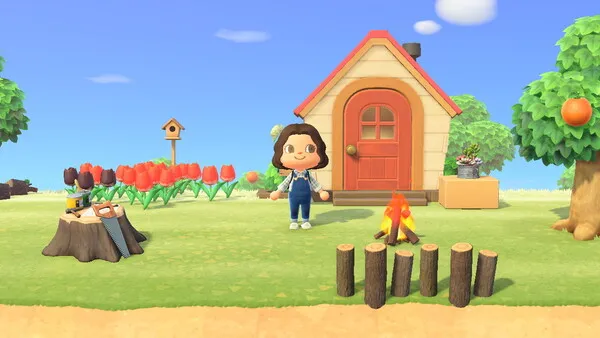
Animal Crossing: New Horizons (ACNH), released in March 2020, has woven a rich tapestry of charm, relaxation, and community interactions. Players cherish the opportunity to build and develop their islands while interacting with a diverse cast of anthropomorphic villagers. Each villager possesses unique personality traits, which greatly influence their behavior, dialogue, and interactions with the player. However, one prevalent issue that has sparked discussions among players is the complexity and sometimes frustrating nature of villager personalities. This article dives deep into the intricacies of villager personalities, exploring how they shape gameplay, affect player satisfaction, create community dynamics, and present challenges in player relationships.
The Foundation of Villager Personalities
Villager personalities form the backbone of ACNH's social interactions, defining how players perceive and engage with each character. Each villager is categorized into one of several personality types, including Smug, Jock, Uchi, Snooty, and more.
Definition and Types of Personalities
Villager personalities provide a framework for understanding how each character interacts with the player and other villagers. There are eight primary personalities in ACNH:
- Normal: Friendly and relatable villagers who often express concern for the player.
- Smug: Charming and self-assured, these villagers can be a bit condescending but are generally pleasant.
- Jock: Energetic and fitness-focused, Jock villagers often engage in sports-related conversations.
- Snooty: Initially standoffish, they can warm up over time; known for their fashionable nature.
- Uchi: These are female villagers who act as big sisters, providing a maternal vibe.
- Peppy: Always upbeat and cheerful, Peppy villagers lighten the mood of any interaction.
- Lazy: Laid-back and easy-going, Lazy villagers often enjoy food and relaxation.
- Cranky: Often grumpy, they offer a contrast to more cheerful villagers, bringing depth to community interactions.
Impact on Gameplay
The personality of a villager greatly influences gameplay and the player’s experience on their island. Villagers engage in unique dialogue, offer specialized items, and form relationships with the player, all of which create a varied and engaging experience. However, the difference in personalities can also lead to frustration among players who struggle with certain personality dynamics.
Building Relationships with Villagers
A core aspect of Animal Crossing is the relationships players form with their villagers. Each interaction is shaped by the villager’s personality, impacting how players perceive each character and their willingness to engage further.
Deepening Bonds
To develop relationships, players must interact with villagers daily, engaging in activities like gifting, chatting, and completing tasks. Villagers react uniquely to these interactions, and players often find satisfaction in developing relationships with their favorite characters.
Frustration with Personality Clashes
However, the intricacies of personalities can lead to frustrations. For example, a player might be fascinated by a Snooty villager’s design but find their demeanor off-putting. This clash of personality can deter players from fully embracing their experience with that villager, ultimately affecting the overall enjoyment of the game.
The Villager Departure Mechanism
One of the most controversial aspects of ACNH is the mechanic that allows villagers to leave the player's island. This system is tied closely to the personalities of each villager and raises significant concerns about the emotional investment players make in their relationships.
The Departure Process
When a villager decides to move away, it typically leads to a series of interactions in which the player can try to persuade them to stay. The departure can be influenced by player behavior—if a villager feels neglected, they may opt to leave. This mechanic can be painful for players who have invested time in building a relationship with that character.
Emotional Fallout
Players often express frustration and sadness when beloved villagers leave. The emotional investment made in these characters gives rise to a sense of personal loss. As a result, players may feel guilty even when they embrace the option of letting a less beloved villager depart, creating a convoluted web of feelings tied to in-game personalities.
Villager Updates and Personality Changes
Through updates and seasonal changes, ACNH continually evolves, and with it, villager interactions and personalities can shift. This evolving nature keeps the game fresh but also presents some nuanced challenges.
Seasonal Events
Seasonal events in ACNH often provide new dialogue and quests that encourage interaction with villagers. These updates breathe fresh life into personality-driven dialogue but can sometimes dilute the unique traits of individual villagers. Players may miss the consistent character behaviors that were present before an event.
Community Feedback
As the game evolves, community feedback has prompted developers to refine certain aspects of villager interactions. Players voice their concerns over personality consistency, seeking clarity on the traits that make each villager unique. This solicited feedback helps developers understand which aspects resonate with the broader player community.
Community Engagement and Villager Culture
The villager personalities contribute significantly to the sense of community within ACNH. Players connect not just with their villagers but also with other players through shared experiences.
Online Interactions
Social media platforms and fan forums allow players to share their relationships, stories, and even frustrations regarding particular villagers. This online engagement creates a sense of collective experience and camaraderie as players celebrate their favorite designs and character quirks.
Memes and Fan Art
Players often create memes and fan art that encapsulate the personalities of specific villagers. Such creative expressions further highlight the relationships players form while showcasing their love for the game’s rich character roster. This kind of community involvement enhances engagement with the game beyond just direct interaction.
Challenges in Character Representation
While ACNH presents a colorful world filled with diversity, the representation of certain personality types can sometimes lead to problematic interpretations.
Stereotyping
Certain personalities may reinforce stereotypes. For example, the portrayal of Snooty villagers often plays into conventional notions of fashion and elitism, while Jock villagers can perpetuate notions about masculinity and athleticism. These character tropes can sometimes alienate players who feel misrepresented by their interactions with these types.
Growth and Development
Players might expect that beyond Initial interactions, villagers would continue to evolve in nuanced ways. However, maintaining consistency without stagnation becomes a delicate balancing act for developers. The lack of dynamic character development over time may lead some players to feel as though their interactions become repetitive or unfulfilling.
The Role of Customization in Reactions
Players’ preferences for certain villagers are often influenced by aesthetics, decorations, and the overall vibe of their island. Customization plays a crucial role in how villagers are perceived.
Designing for Compatibility
Players often create islands that mirror their personal tastes, which can influence interactions with villagers. A player with a cozy, rustic island might find more amicable relationships with Normal and Uchi villagers, while a village that's sleek and modern could appeal to Smug or Snooty types.
Villager Aesthetic Preferences
The aesthetics of each villager can also impact player preferences. The design features, clothing styles, and house decorations might resonate with the player, leading them to engage more positively with certain personalities. However, a mismatch in visual appeal could breed disappointment, impacting overall enjoyment.
Future Developments: Enhancing Personality Depth
As Animal Crossing continues to evolve, players hope for more depth and nuance in how personalities are expressed and developed.
Potential Character Traits
Introducing more unique character traits could enhance interactions within the game. Personalities could have hobby-related dialogue or varying reactions to different events. Such development might make each villager feel more individualized, fostering deeper connections.
Community Input on Villager Development
Engaging the community in discussions about potential villager updates could yield fascinating insights. Encouraging player feedback on desired character traits or personality types can help developers ensure that the game feels authentic and satisfying to its audience.
Conclusion
The complexities of villager personalities in Animal Crossing: New Horizons are at the heart of the player experience. While they foster rich interactions and unique community dynamics, they also present challenges that affect how players perceive and engage with their favorite characters. Balancing emotional bonds, managing departures, and navigating community culture is essential for an enriching experience. As the game continues to evolve, further depth in personality representation and interaction design could enhance the charm that makes ACNH a beloved title worldwide.