.webp)







Introduction
Little Witch in the Woods is a charming life-sim RPG where players step into the shoes of Ellie, an apprentice witch learning magic, crafting potions, and exploring a mystical forest. The game blends adventure, crafting, and RPG elements with a relaxing yet strategic gameplay loop. Success depends on mastering magical abilities, efficiently gathering resources, managing time, and interacting with NPCs to unlock quests and storylines.
This guide provides a comprehensive approach to early-game setup, exploration, magic progression, crafting optimization, resource management, quest completion, and long-term strategies, helping players fully enjoy Little Witch in the Woods’ world.
Understanding the Core Gameplay Loop
The core loop of Little Witch in the Woods revolves around three pillars: exploration, crafting, and magical learning.
Gameplay flow:
- Explore the forest and other areas to collect herbs, ingredients, and magical items
- Craft potions, tools, and magical gear to aid progression
- Complete quests for NPCs and unlock storylines
- Upgrade magical abilities to access new spells and regions
- Manage time and energy efficiently to maximize daily productivity
Understanding this loop allows players to prioritize tasks that provide the highest rewards while maintaining smooth progression.
Early Game Priorities
The early game is focused on establishing basic skills, crafting essentials, and building relationships with NPCs.
Early-game tips:
- Collect basic herbs and resources for simple potions
- Learn early spells like fire, healing, and summoning
- Complete introductory quests to earn currency and unlock tools
- Explore nearby areas to become familiar with the forest layout
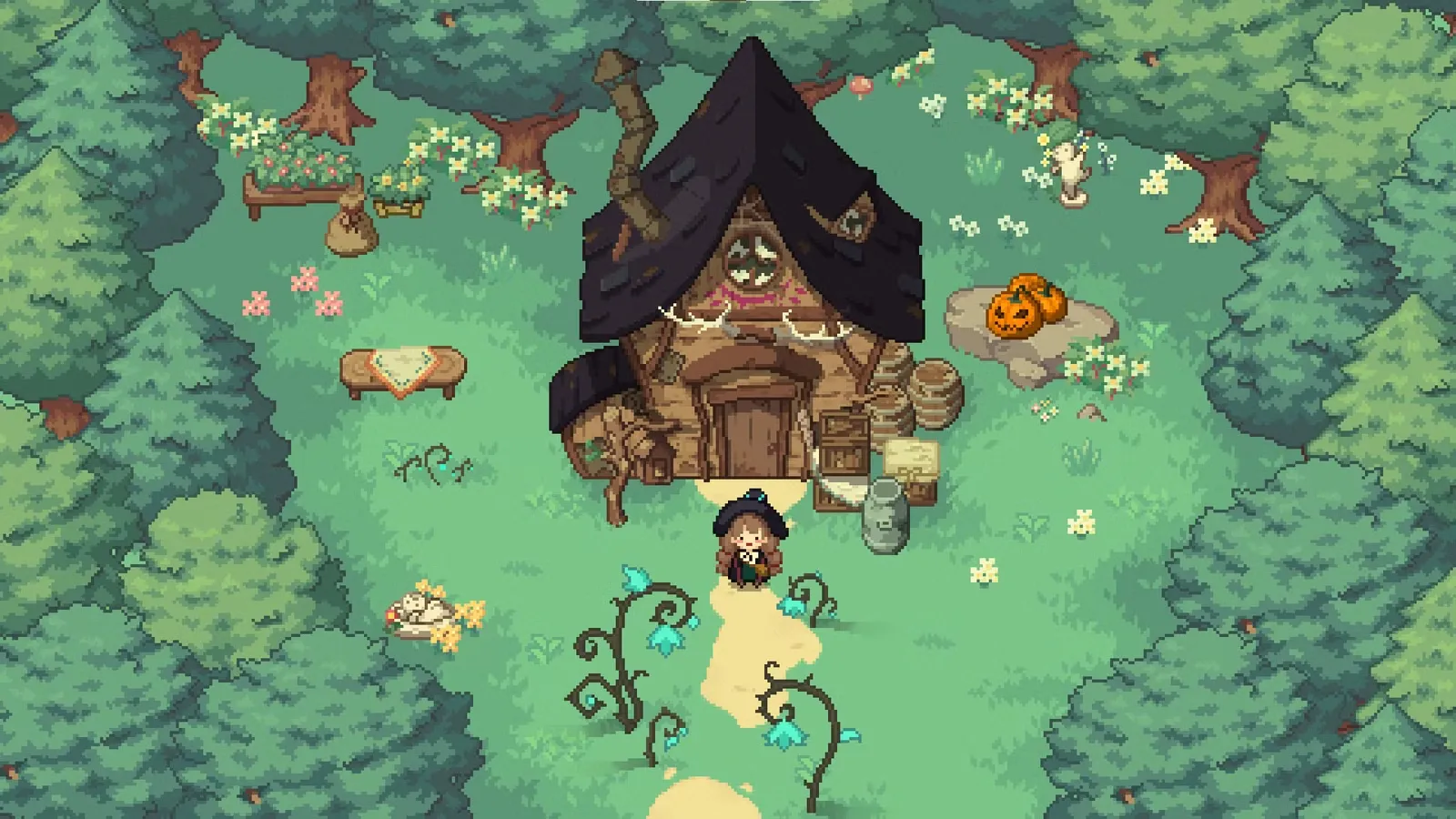
Focusing on foundational skills ensures smoother advancement in mid-game and unlocks more advanced magical abilities.
Exploration and Resource Gathering
Exploration is critical in Little Witch in the Woods, as resources for crafting and magic are scattered across different biomes.
Exploration tips:
- Fully explore each area to find rare ingredients and hidden treasures
- Keep track of seasonal changes, as some resources appear only during certain times
- Note locations of hidden caves and magical shrines
- Prioritize collecting resources needed for essential potions and upgrades
Strategic exploration ensures players can craft high-value items without backtracking unnecessarily.
Crafting and Potion Optimization
Crafting is central to progression and magical mastery. Potions provide buffs, healing, and abilities that make exploration safer and more efficient.
Crafting tips:
- Prioritize potions that enhance movement or provide protection
- Combine ingredients to experiment with rare effects
- Upgrade crafting tools for faster and more efficient production
- Keep a stock of essential potions for emergencies
Optimized crafting supports survival and reduces the risk of running out of vital resources during exploration.
Magic and Spell Progression
Magic in the game is diverse and requires mastery of multiple schools, including elemental, healing, and utility spells.
Magic tips:
- Focus on one branch early to maximize efficiency
- Upgrade spells that complement your playstyle
- Experiment with combining spells for stronger effects
- Track mana usage and recharge mechanics to avoid being stranded mid-combat
Effective magic use makes challenging areas more manageable and accelerates resource gathering.
NPC Interaction and Quest Completion
NPCs are not just story elements—they provide critical quests, resources, and items.
Interaction tips:
- Talk to NPCs daily to unlock hidden quests
- Complete quests that provide rare ingredients or tools
- Track favor levels to access exclusive items and spells
- Balance time between exploration and NPC tasks
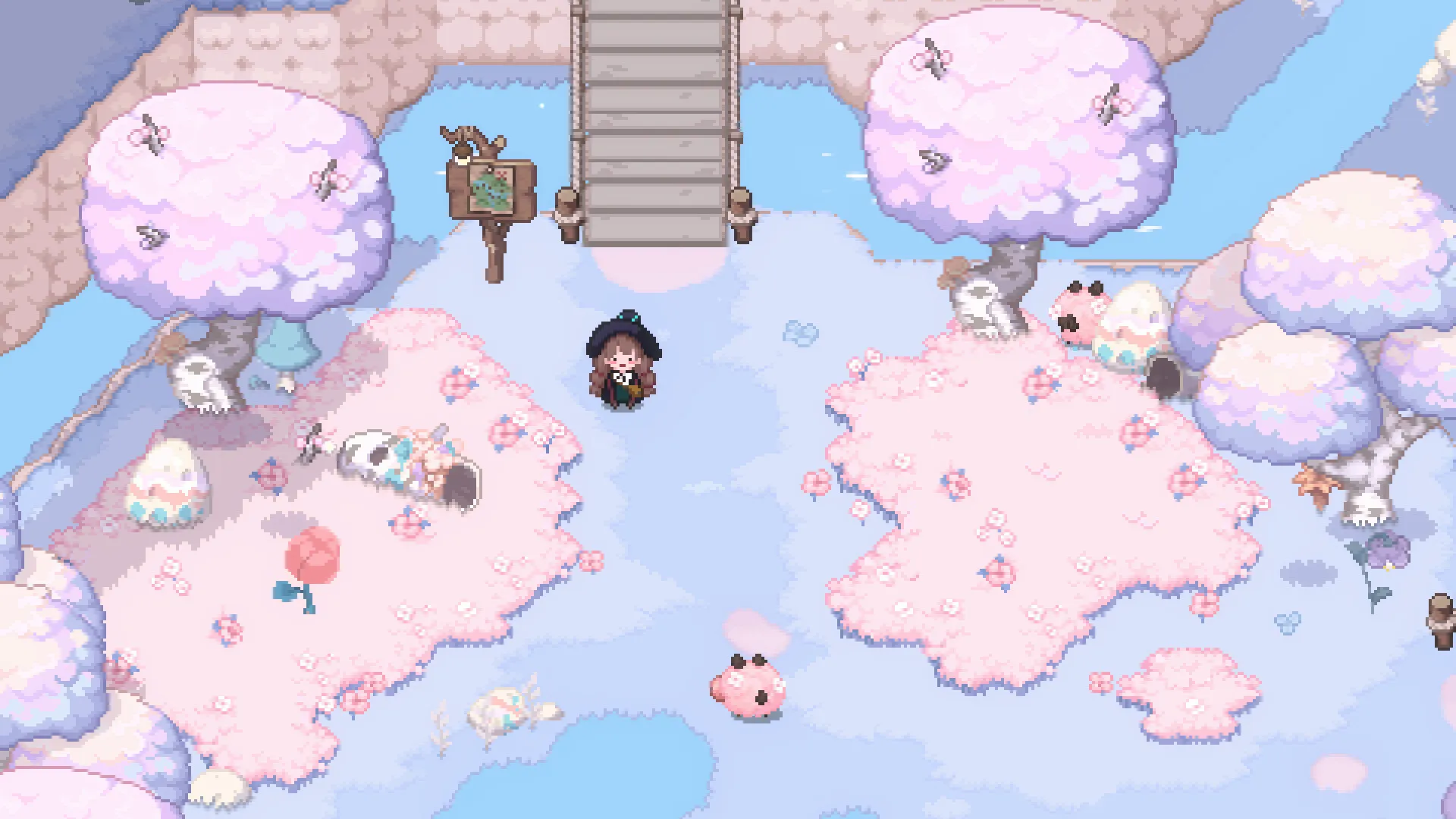
Maintaining relationships with NPCs is key for unlocking late-game rewards and storylines.
Time and Energy Management
Time and energy are finite resources, requiring strategic planning for daily activities.
Management tips:
- Plan daily routines to combine resource gathering and quests
- Avoid wasting energy on unnecessary tasks
- Rest or use items to recover energy efficiently
- Prioritize high-value activities for each day
Good management maximizes productivity and ensures continuous progression.
Mid-Game Strategies
The mid-game introduces more complex dungeons, higher-tier resources, and advanced spell combinations.
Mid-game tips:
- Upgrade your broom and tools for faster travel
- Explore new biomes for rare crafting ingredients
- Combine spells strategically to defeat stronger enemies
- Complete multi-step quests for high-value rewards
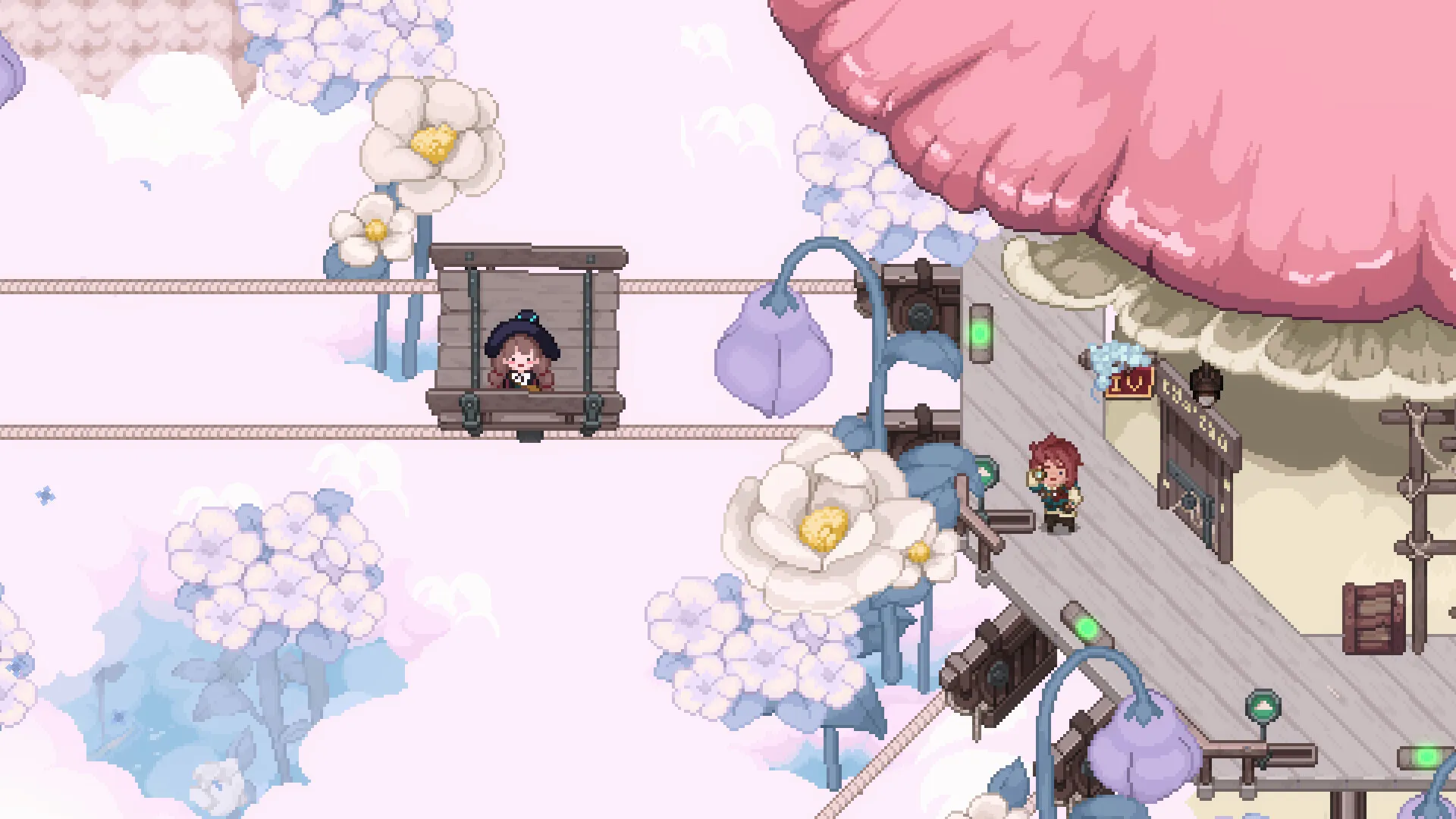
Mid-game strategies prepare players for late-game challenges and rare magical discoveries.
Late-Game Optimization
Late-game focuses on mastering all magical schools, completing major story quests, and crafting rare artifacts.
Late-game tips:
- Focus on elite spell upgrades for maximum effect
- Collect rare ingredients for the most powerful potions
- Unlock all hidden areas and secret NPC storylines
- Optimize inventory and crafting setups for efficiency
Strategic planning and mastery of the game’s systems ensure full enjoyment of all content.
Conclusion
Little Witch in the Woods blends exploration, magic, and crafting into a rich and rewarding RPG experience. Success requires mastery of resource gathering, spellcasting, crafting, and NPC interaction. Players who plan their days effectively, optimize their crafting and spell progression, and explore thoroughly can unlock every secret the forest has to offer, becoming a true master witch.
160-Character Summary
Master Little Witch in the Woods with tips on exploration, crafting, magic, quests, and time management to fully enjoy the mystical adventure.