







The Elder Scrolls Castles is a kingdom management game inspired by the legendary Elder Scrolls universe. Unlike the traditional RPG formula, this game focuses on building, expanding, and controlling a thriving medieval realm. Every choice matters, from managing resources to handling the royal bloodline, training soldiers, and responding to unexpected events. Success depends on your ability to balance all systems and make strategic decisions over time.
This guide explains in detail how to play The Elder Scrolls Castles from the earliest moments to the advanced stages of empire creation. With a how to structure and ten major sections arranged by progression and importance, you will understand every mechanic necessary to rule your kingdom effectively.
1 Starting Your Kingdom
At the beginning of the game, you will need to understand the interface and core mechanics. This early phase determines how stable your kingdom will become later on. Pay close attention to essential resources such as food, gold, materials, and the morale of your people. A steady start makes future challenges easier to manage.
When starting, avoid expanding too quickly. Every room you build consumes resources and requires workers. Begin with essential rooms such as the kitchen, storage areas, wood production, and stone production rooms. Taking your time ensures your kingdom develops steadily without falling into early shortages.
2 Building Rooms and Expanding Your Castle
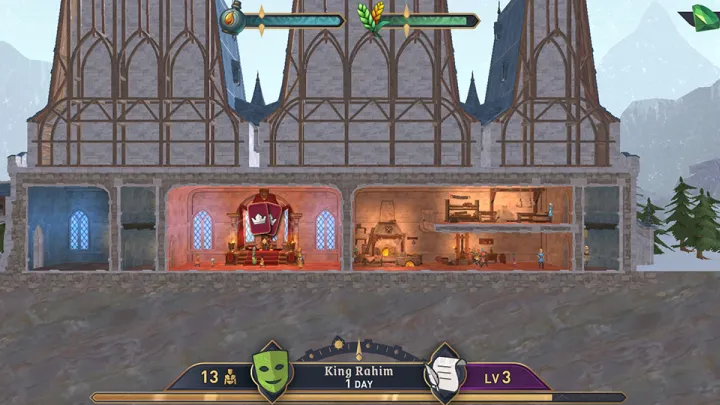
Once you become comfortable with the basics, the next step is designing and expanding your castle. Each room contributes differently to the kingdom. Crafting rooms create equipment, farming rooms supply food, and bedrooms support population growth. Placement matters because some rooms provide synergy when built near others.
Expanding your castle does not only mean adding new rooms. Upgrading existing rooms is just as important. As your kingdom grows, you unlock advanced facilities. Investing in upgrades increases production speed, improves material quality, and strengthens your overall infrastructure. This allows your castle to scale properly as demands increase.
3 Managing Villagers and Assigning Jobs
Villagers are the heart of your kingdom. Each villager has unique stats such as strength, intelligence, and skills. To maximize efficiency, assign them to rooms where their abilities fit best. Strong villagers should join the army or guard posts, while intelligent villagers should handle tasks like research or crafting.
Good villager management also requires maintaining morale and health. A happy and energetic population works more efficiently and reduces the risk of rebellion. Continually monitor their needs and adjust assignments when necessary. A well managed population becomes a major advantage as your kingdom expands.
Key reminders for villager management
- Assign villagers based on their strongest stats
- Avoid leaving villagers idle
- Monitor morale and stamina consistently
- Upgrade workrooms to increase productivity
4 Optimizing Resources and Supply Chains
Resources are the foundation of every operation in your kingdom. Wood, stone, gold, food, and rare materials must be carefully balanced to avoid shortages or waste. Overproduction wastes space, while underproduction leads to crises. Establishing a stable supply chain ensures that all departments function smoothly.
After securing basic resources, shift your focus to advanced materials used for crafting high tier gear and powering research. Creating an efficient flow of resources prepares your kingdom for emergencies such as famine, invasions, or production failures. Good resource management ultimately determines your kingdom's long term stability.
5 Conducting Research and Upgrading Technology
Research is one of the fastest ways to improve your kingdom. Intelligent villagers working in research rooms unlock new technologies that enhance production, unlock new structures, and strengthen your army. Keeping your research facilities active at all times is one of the best strategies in the game.
Technology also opens access to advanced weapons, armor, and upgrades. When external threats arise, technological advantages can be the difference between victory and disaster. Do not overlook agricultural or morale based research either, as both contribute to the long term well being of the kingdom.
6 Building and Managing the Army

A strong army is essential to protecting your kingdom. You must recruit, train, and equip soldiers who are capable of defending against raids and participating in conquest. Strength based villagers are best suited for combat roles. Place them in training rooms to gradually increase their combat ability.
Equipment is equally important. Craft better weapons and armor as your resources allow. Properly equipped troops drastically outperform basic units. A strong military presence keeps your kingdom safe from internal rebellions and external invaders, giving you freedom to expand your territory.
7 Managing the Royal Bloodline
The royal family plays a major role in The Elder Scrolls Castles. Members of the royal bloodline can marry, produce heirs, lead important divisions, and influence the kingdom through their traits. Caring for each member ensures future heirs are born with higher stats and useful abilities.
Raising royal heirs involves assigning them appropriate activities to maximize their strengths. As they grow, they can become leaders of research, military, or diplomacy. Smart royal management ensures that each generation becomes stronger and more skilled than the last, granting major advantages over time.
Important roles for royal family members
- Military commanders
- High ranking researchers
- Diplomatic envoys
- Master craftsmen
- Economic planners
8 Handling Events and Making Strategic Decisions
Throughout the game, random events will challenge your ability to lead. These events include natural disasters, rebellions, invasions, and resource shortages. Quick decision making is essential because each choice affects the entire kingdom in meaningful ways.
Prepare for emergencies by storing extra resources and maintaining a flexible workforce. Choosing options that benefit long term stability is usually better than short term gains that create future risks. Strategic decisions shape the future of your kingdom and determine how smoothly it progresses.
9 Expanding Territory and Maintaining Influence
When your kingdom is stable, it is time to expand. New territories provide rare resources, new populations, and strategic advantages. However, expanding too quickly can strain your existing systems. Ensure your army is strong enough before attempting conquest.
Influence must also be maintained outside the castle walls. Diplomacy, alliances, and trade play important roles in shaping your kingdom's relationships. A respected and influential kingdom faces fewer threats and can benefit from valuable exchanges with neighboring factions.
10 Long Term Strategies for Building a Lasting Empire
The final stage of kingdom building focuses on sustainability. You must balance population needs, resource flow, military strength, research progress, and royal management. This is the time to optimize every system and eliminate potential weaknesses.
A lasting empire is not built on military power alone. Stability, innovation, diplomacy, and careful planning all contribute to a thriving realm. With strong long term strategies, your kingdom remains powerful and resilient in the face of any challenge.
Conclusion
The Elder Scrolls Castles requires patience, strategic thinking, and constant optimization. By following each step from the early foundation to the advanced stages of empire creation, you can build a formidable and prosperous kingdom. Every decision you make shapes the future of your realm, so always think ahead and maintain a balanced approach.
Summary
Complete guide to playing The Elder Scrolls Castles. Build your kingdom, manage people, resources, and military, and create a powerful long lasting empire.