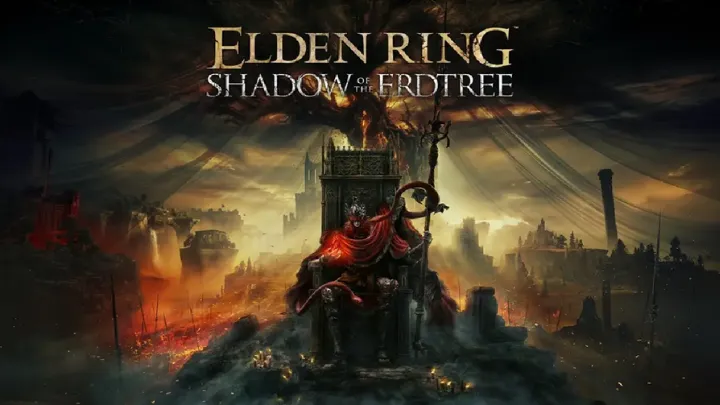







Elden Ring: Nightreign, the expansion to FromSoftware’s acclaimed open-world RPG, promised new lore, bosses, and mechanics. Yet, one specific issue has overshadowed its brilliance: persistent crashing and freezing, especially during combat transitions and loading screens. This article dives deeply into this technical flaw, exploring its causes, player experiences, attempted fixes, and broader implications for the industry.
1. The Rise of Nightreign
When Nightreign launched, expectations were sky-high. Fans anticipated breathtaking landscapes and punishing bosses. However, within days, forums filled with complaints about instability. The excitement quickly turned into frustration as players faced repeated crashes.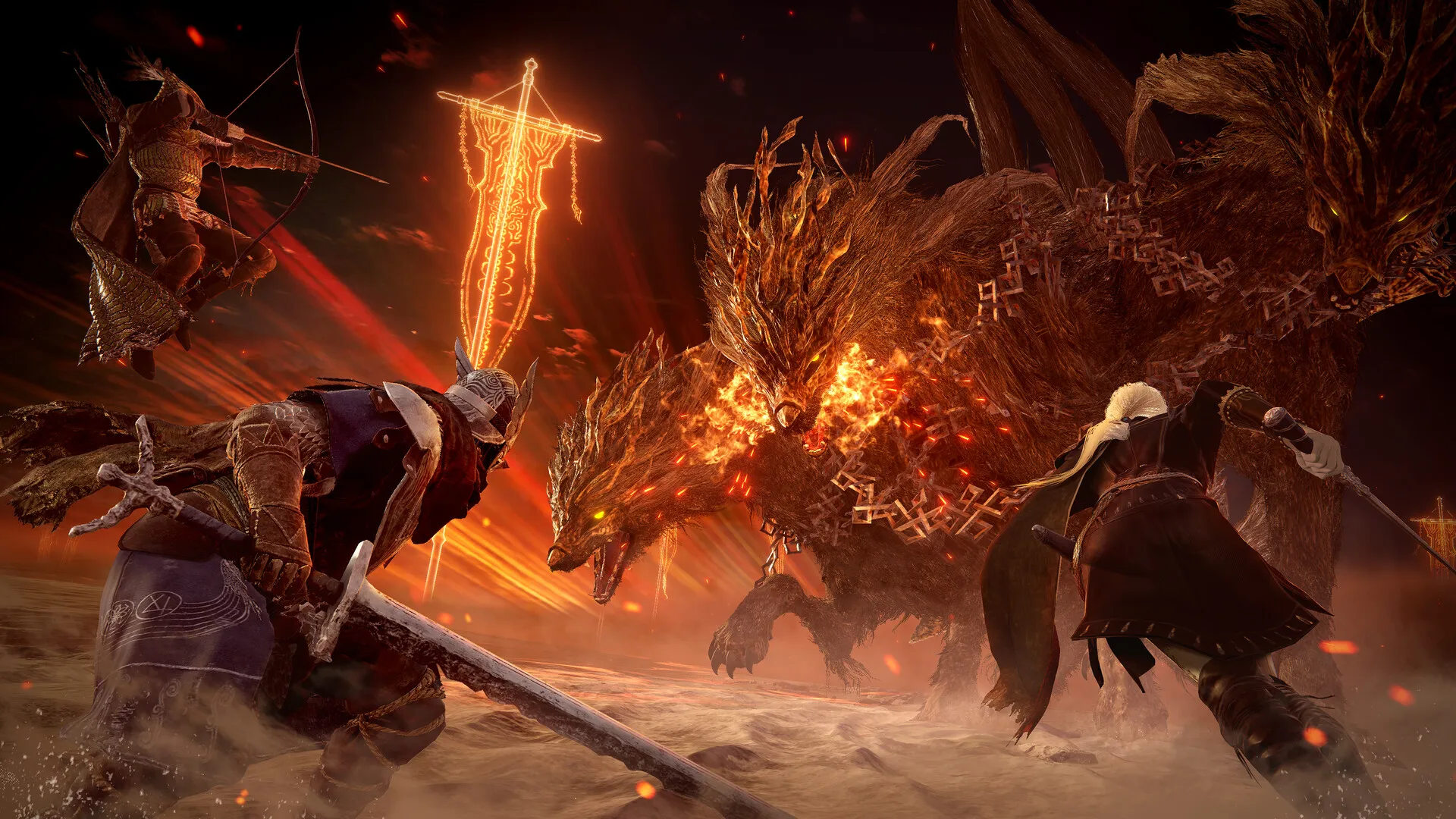
2. First Signs of Instability
Early adopters reported random crashes during startup and mid-game. These weren’t isolated incidents but widespread, affecting both high-end and mid-range PCs. The randomness made troubleshooting nearly impossible, leaving players guessing.
3. Combat Transitions and Freezes
One of the most consistent triggers was combat transitions. Entering boss arenas or shifting between zones often caused frame hangs, followed by complete shutdowns. This robbed players of immersion and progress, turning epic battles into technical nightmares.
4. The Loading Screen Trap
Loading screens became another danger zone. Instead of seamless transitions, players faced frozen frames or unresponsive applications. This issue highlighted deeper synchronization problems between the game engine and system processes.
5. Player Attempts at Fixes
Common Fixes Tried
- Verifying game files
- Reinstalling the game
- Updating GPU drivers
- Disabling overlays
Outcome
None of these consistently solved the problem. Players felt helpless, stuck in a cycle of trial and error, with no reliable solution in sight.
6. Technical Root Causes
Experts traced the instability to GPU allocation conflicts, corrupted driver data, and permission mismatches. Essentially, the game engine struggled to communicate with Windows and graphics drivers, leading to desynchronization and crashes.
7. Community Frustration
Steam forums and Reddit threads overflowed with complaints. Some players abandoned the game entirely, while others clung to hope for patches. The sense of betrayal was palpable—fans had invested time and money only to face instability.
8. Developer Response
FromSoftware acknowledged the issue but offered limited immediate fixes. Patches rolled out slowly, addressing minor bugs but leaving the core crashing problem unresolved. This fueled debates about QA testing and release readiness.
9. Broader Industry Implications
Nightreign’s instability reflects a larger trend in gaming: ambitious expansions released under tight deadlines, often at the expense of stability. It raises questions about whether studios prioritize artistic vision over technical polish.
10. The Path Forward
For Nightreign to reclaim its glory, developers must deliver robust patches that address GPU conflicts and system synchronization. Until then, players remain in limbo, torn between admiration for the game’s artistry and frustration with its instability.
Conclusion
Elden Ring: Nightreign’s crashing issue is more than a technical hiccup—it’s a cautionary tale about balancing ambition with stability. The game’s haunting beauty is undeniable, but until its instability is resolved, Nightreign risks being remembered more for frustration than triumph.