






Blood Strike is a fast-growing hot game in the mobile FPS genre, capturing the attention of players who want intense gunfights, tactical movement, and console-quality action on handheld devices. Designed for speed and precision, Blood Strike blends arcade shooting with strategic depth, making it accessible for newcomers while rewarding experienced players who know how to master positioning, weapons, and abilities.
In this comprehensive article, you will learn everything about Blood Strike, from its origins and gameplay systems to advanced strategies and endgame mastery. Whether you are just starting or looking to dominate ranked matches, this guide will walk you step by step through the experience.
1. Introduction to Blood Strike and Its Rise as a Hot Game
Blood Strike entered the competitive FPS market at a time when players demanded smoother performance, shorter match times, and skill-based combat. Unlike traditional shooters that rely heavily on realism, Blood Strike focuses on responsiveness, fast-paced movement, and tactical abilities that elevate gameplay.
What makes Blood Strike a hot game is its ability to deliver intense action without overwhelming players. Matches are short but thrilling, allowing players to jump in anytime without long setup periods. This design choice makes the game ideal for both casual and competitive play.
Another reason for its popularity is accessibility. Players quickly learn how to aim, shoot, slide, and reposition, while deeper mechanics gradually reveal themselves as skill increases.
2. How to Get Started in Blood Strike
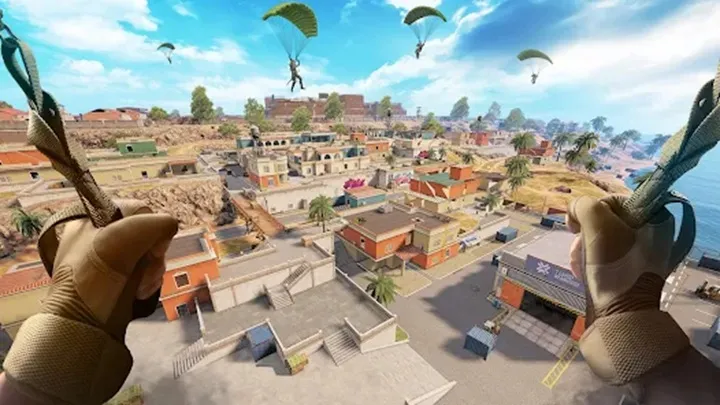
Starting Blood Strike is simple, but mastering the fundamentals takes discipline. New players begin with basic weapons and limited abilities, which encourages learning movement and aim before relying on advanced tools.
Understanding how to control recoil, use cover effectively, and manage reload timing is essential. Unlike slower shooters, mistakes in Blood Strike are punished quickly, forcing players to stay alert at all times.
Key beginner tips:
- Always keep moving to avoid becoming an easy target
- Use sliding and jumping to break enemy aim
- Reload only when safe, not automatically
These early habits form the foundation for long-term success.
3. Core Gameplay Mechanics Explained
At its core, Blood Strike revolves around precision gunplay combined with tactical abilities. Players choose characters with unique skills that influence combat flow, such as speed boosts, defensive shields, or tracking tools.
Learning how to balance gunplay with ability usage is crucial. Overusing abilities can leave you vulnerable, while ignoring them wastes tactical advantages. Timing is more important than raw firepower.
Core mechanics include:
- Fast sprinting and sliding
- Vertical movement for map control
- Ability cooldown management
Together, these mechanics create a high-skill environment that rewards awareness and quick decision-making.

4. Weapons and Loadout Strategy
Weapons in Blood Strike are designed for clarity and balance. Each weapon category serves a specific role, from close-range SMGs to long-range sniper rifles. Choosing the right loadout depends on playstyle and map layout.
Knowing how to customize weapons with attachments improves accuracy, stability, and mobility. Small changes can significantly impact performance, especially in ranked modes.
Popular weapon categories:
- Assault rifles for versatility
- SMGs for aggressive pushes
- Shotguns for tight spaces
- Snipers for map control
Mastering one weapon type before branching out is often the fastest path to improvement.
5. How to Move and Position Like a Pro
Movement is one of the most important skills in Blood Strike. Unlike slower FPS games, standing still is almost always a mistake. Skilled players use constant motion to gain positional advantages.
Understanding how to control angles, flank enemies, and retreat safely separates average players from top performers. Movement is not random; it is intentional and calculated.
Effective movement principles:
- Never re-peek the same angle twice
- Use verticality to surprise opponents
- Slide into cover instead of running straight
Proper positioning allows players to win fights even against stronger weapons.
6. Game Modes That Make Blood Strike a Hot Game
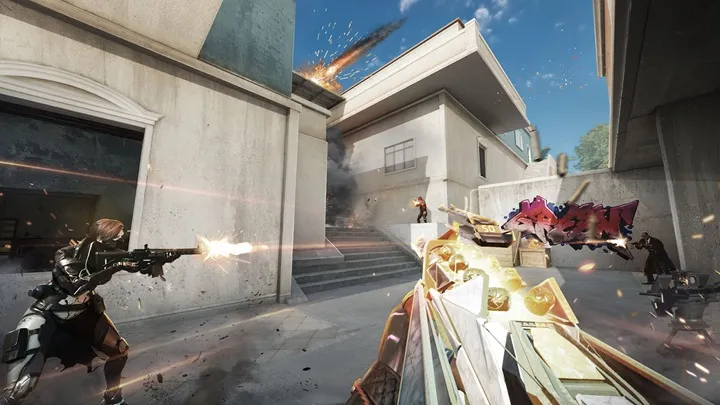
Blood Strike offers multiple game modes that cater to different playstyles. From classic team-based modes to fast solo experiences, variety keeps the gameplay fresh and engaging.
Each mode teaches players how to adapt strategies. Some emphasize teamwork and coordination, while others focus on individual skill and survival.
Common modes include:
- Team Deathmatch for pure combat
- Objective-based modes for strategy
- Ranked matches for competitive players
This diversity is a major reason Blood Strike remains a hot game across regions.
7. How to Improve Aim and Reaction Time
Aim is a skill that improves with consistent practice. In Blood Strike, reaction speed and crosshair placement matter more than spraying bullets.
Learning how to pre-aim common angles and track enemy movement increases accuracy dramatically. Sensitivity settings should be adjusted gradually to avoid inconsistency.
Aim improvement tips:
- Practice short bursts instead of full sprays
- Keep crosshair at head level
- Warm up before ranked matches
Even small improvements in aim can shift the outcome of entire matches.

8. Teamplay and Communication Strategy
While solo skill is important, Blood Strike shines in coordinated teamplay. Communicating enemy positions, sharing resources, and timing pushes can overwhelm even stronger opponents.
Knowing how to support teammates instead of chasing kills leads to more consistent victories. Awareness of team positioning is just as important as personal performance.
Effective team habits:
- Call out enemy locations clearly
- Push together instead of one by one
- Cover teammates during reloads
Strong teamwork transforms the game into a tactical battlefield rather than chaotic combat.
9. Ranked Progression and Competitive Play
Ranked mode is where Blood Strike truly tests player skill. Every mistake is amplified, and every smart decision matters. Players must balance aggression with patience to climb consistently.
Understanding how to play for objectives rather than personal stats is key to ranking up. Survival and smart engagements often outweigh flashy plays.
Ranked success requires:
- Consistent performance across matches
- Adaptation to enemy playstyles
- Emotional control under pressure
Those who master ranked play often find Blood Strike deeply rewarding.
10. Long-Term Mastery and Staying Competitive
Long-term mastery in Blood Strike involves continuous learning. Updates introduce balance changes, new weapons, and refined mechanics that keep the meta evolving.
Knowing how to adapt ensures players remain competitive over time. Watching skilled players, reviewing gameplay, and experimenting with strategies all contribute to growth.
Habits of top players:
- Analyze losses instead of blaming teammates
- Adjust loadouts to match updates
- Practice movement daily
Mastery is not about perfection but about constant improvement.
Conclusion: Why Blood Strike Is Worth Playing
Blood Strike has earned its reputation as a hot game by delivering fast, skill-based FPS action tailored for modern players. Its blend of mobility, gunplay, and tactical depth creates an experience that is easy to learn yet difficult to master. By understanding how to move, aim, communicate, and adapt, players can fully enjoy what Blood Strike offers and continue growing within its competitive ecosystem.