.webp) h5gamer.net
h5gamer.netDinkum Tips & Guide: Complete Beginner to Advanced Strategy
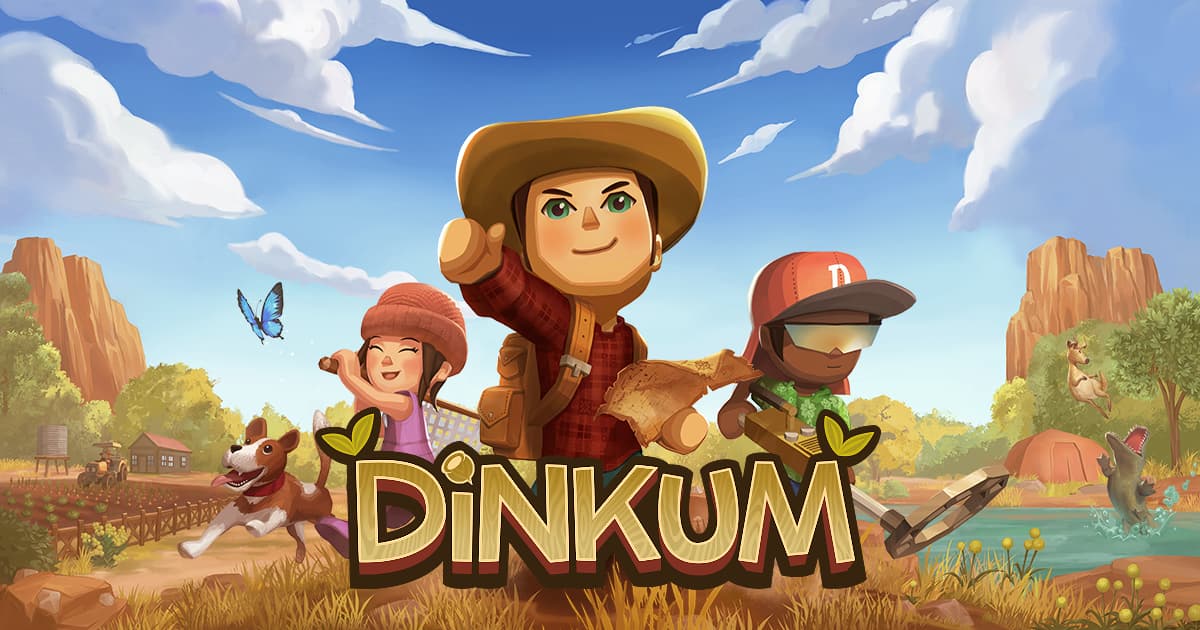
Dinkum is an open-world life simulation and survival game inspired by the Australian outback. You arrive on an island with the goal of building a new town, gathering resources, exploring the wilderness, and attracting residents. Along the way, you can farm, fish, hunt, mine, craft equipment, and develop relationships with the people who settle in your growing community.
Although Dinkum has a relaxed atmosphere, surviving and developing your island requires thoughtful planning. Your energy, health, tools, and available resources all influence how much you can accomplish each day. Early decisions about where to build, which licenses to unlock, and how to manage money can make a significant difference as your settlement expands.
This Dinkum tips and guide covers the essential mechanics, from establishing your first campsite to building a prosperous town. Whether you are just beginning your adventure or looking to improve your late-game routine, these strategies will help you gather resources efficiently, develop your skills, and make steady progress.
1. Understand the Daily Gameplay Loop
Dinkum follows a day-based gameplay system in which you balance exploration, resource gathering, crafting, and town development. Each day provides an opportunity to complete activities, earn money, improve your skills, and prepare for future projects.
You begin with basic equipment and limited resources. As you explore, you will discover materials, wildlife, fishing spots, and locations that support different activities. Completing tasks and developing your town gradually unlocks additional opportunities.
A productive daily routine usually includes:
- Checking your available tasks and town development goals.
- Gathering nearby resources and collecting useful materials.
- Completing activities that earn Dinks, the game's currency.
- Crafting or repairing essential equipment.
- Exploring new areas when supplies and energy allow.
- Returning to town to organize resources and prepare for the next day.
Plan Each Day Around a Main Objective
Instead of trying to accomplish every activity in one day, choose a primary goal. You might focus on mining, fishing, collecting construction materials, or completing requests from residents.
A clear objective helps you manage your energy and avoid wasting time traveling between unrelated activities.
If you have enough time and supplies, you can add smaller tasks along the way. For example, a mining trip can also include gathering nearby wood or collecting items needed for a current quest.
Understand the Day and Energy System
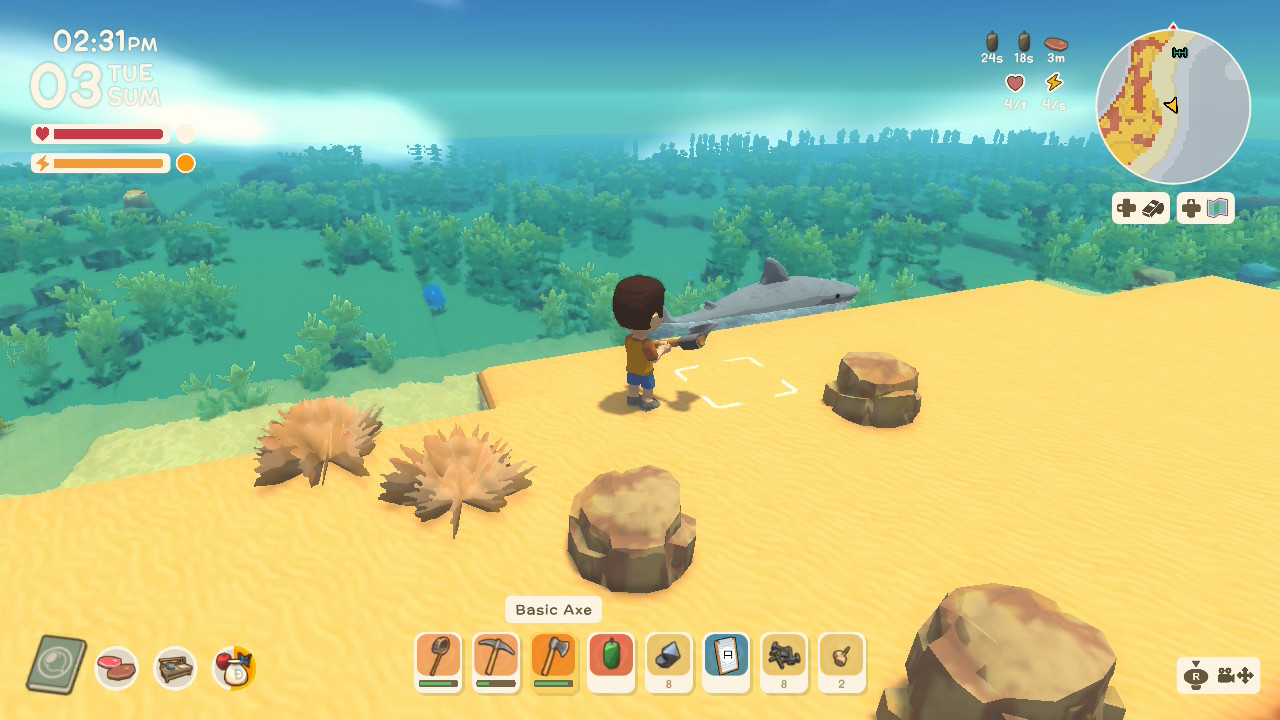
Your character's energy limits how much work you can perform before becoming exhausted. Activities such as chopping trees, mining rocks, and digging consume energy, so it is important to pace yourself.
Keep food available to restore energy when necessary. If you are planning a demanding day, prepare supplies in advance rather than relying on whatever you happen to find.
A balanced routine helps you finish important tasks without exhausting your character too early.
2. Gather Resources and Manage Your Inventory
Resource gathering is one of the foundations of Dinkum. Wood, stone, ores, plants, and other materials are used for crafting, construction, and completing requests.
Different resources appear in different environments, so exploration is essential. When entering a new area, pay attention to the materials available and collect items that are likely to support your current goals.
Inventory space is limited, which means you must decide what to carry and what to leave behind. Collecting everything you encounter can quickly fill your inventory and interrupt your plans.
Prioritize Useful Materials
During the early game, focus on materials required for essential tools, crafting recipes, and town development.
Keep a reserve of common resources such as wood and stone if you expect to build frequently. For rarer materials, check their crafting uses before deciding whether to sell them.
Useful resource management habits include:
- Collecting materials while traveling between objectives.
- Keeping essential crafting ingredients in storage.
- Selling surplus items when money is needed.
- Avoiding unnecessary trips with a full inventory.
- Checking crafting recipes before spending rare resources.
Organize Storage by Resource Type
As your collection grows, organized storage becomes increasingly useful. Separate common building materials, ores, food, crafting ingredients, and other valuable items whenever possible.
A consistent storage system makes it easier to find materials when starting a new project.
Before leaving town for a long trip, check which supplies you need and make sure you have enough inventory space for the resources you expect to collect.

3. Unlock Licenses and Develop Your Skills
Licenses are an important progression system in Dinkum. They allow you to access additional activities, use certain tools, and expand your capabilities as your town develops.
Different licenses support different playstyles. Some focus on gathering and crafting, while others unlock opportunities related to farming, mining, fishing, or other activities.
Because license points are limited, it is useful to prioritize the licenses that support your immediate goals.
Choose Licenses Based on Your Playstyle
If you enjoy gathering resources and building infrastructure, prioritize licenses that improve access to essential tools and materials.
If you prefer earning money through fishing, hunting, or farming, consider licenses that support those activities.
You do not need to unlock every license immediately. Focus on the activities you use most frequently, then broaden your capabilities as your settlement grows.
Develop Skills Through Regular Activities
Many skills improve as you perform their associated activities. Fishing, mining, hunting, and other tasks gradually become more rewarding as you gain experience.
Choose activities that match your current objectives so that you can improve your skills while making practical progress.
For example, a player who regularly gathers ores for construction may naturally develop mining-related skills while collecting materials for town projects.
4. Build and Expand Your Town Efficiently
Town development is one of the main goals of Dinkum. You begin with a basic settlement and gradually attract residents, construct facilities, and create a community that supports a wider range of activities.
Where you place buildings matters because your town needs enough room for future development. A crowded layout can make it difficult to add new facilities or create organized residential and commercial areas.
Before placing permanent structures, explore the surrounding terrain and identify areas suitable for expansion.
Choose a Practical Town Layout
A convenient layout keeps frequently used facilities close together while leaving room for additional buildings.
You might organize your town around a central area containing important services, with residential spaces and decorative areas nearby.
Try to avoid placing buildings in locations that block useful paths or consume large areas needed for future projects.
Develop Infrastructure Gradually
Town development requires materials, money, and time. Building too many facilities at once can slow your progress if you run out of supplies.
Focus on completing the structures needed for your current objectives before beginning another major project.
As your town grows, review your layout and make adjustments when necessary. A flexible design can accommodate new buildings without requiring a complete redesign.
5. Earn Dinks and Manage Your Money
Dinks are the primary currency in Dinkum. You need money to purchase supplies, support town development, and access various services.
There are several ways to earn Dinks, including selling gathered resources, catching fish, hunting wildlife, farming, and completing requests.
The most effective money-making activity depends on your available equipment, skills, and current progression.
Choose Activities That Match Your Equipment
Early in the game, you may earn money by collecting common resources and selling surplus items. As you unlock additional tools and skills, more profitable activities become available.
Rather than switching between many activities without a plan, focus on methods that align with your current equipment and goals.
For example, if you already have the necessary fishing equipment, a fishing trip can provide income while helping you develop your fishing skills.
Balance Selling and Saving
Not every item should be sold immediately. Some materials are valuable for crafting, construction, or future quests.
Before selling a large collection of resources, check whether you will need those materials for an upcoming project.
Maintain a reserve of essential items and sell surplus supplies when you need money for an important purchase.
6. Explore the Wilderness and Prepare for Survival
Exploration is a major part of Dinkum. The island contains different environments, wildlife, resource deposits, and locations that support various activities.
Traveling into unfamiliar areas can be rewarding, but it also introduces risks. Wildlife can be dangerous, and long journeys may leave you without enough food or equipment to complete your return trip comfortably.
Before leaving town, prepare for the type of expedition you intend to undertake.
Pack Supplies for Long Trips
A well-prepared expedition should include the tools, food, and equipment needed for your planned activities.
If you are going mining, bring the appropriate equipment and enough food to maintain your energy. If you are exploring unfamiliar territory, make sure you have enough supplies to handle unexpected encounters.
Useful preparation steps include:
- Carrying food to restore energy.
- Bringing tools suited to your planned activities.
- Leaving enough inventory space for collected materials.
- Checking equipment condition before departure.
- Planning a manageable route through the area.
Learn to Recognize Environmental Risks
Different areas may contain wildlife and conditions that require additional caution.
Avoid engaging dangerous creatures when you lack suitable equipment or enough health to handle an encounter.
If an expedition becomes too risky, returning to town is often more practical than losing valuable resources or exhausting your supplies.
7. Master Fishing, Hunting, and Gathering Activities
Fishing, hunting, and gathering provide useful resources and opportunities to earn money. Each activity has its own equipment requirements and gameplay mechanics, so learning how they work can improve your efficiency.
These activities can also be incorporated into your daily routine. You do not need to dedicate every day to a single skill, but focusing on one activity at a time can help you develop proficiency.
Improve Your Fishing Routine
Fishing is a useful activity for collecting fish and earning money. Different fishing locations may offer different catches, so exploring rivers, lakes, and coastal areas can help you discover new opportunities.
Pay attention to the movement of fish and learn how to manage the fishing rod during a catch.
If you plan to fish regularly, bring enough inventory space to store your catches and consider whether selling them or keeping them for other purposes better supports your current goals.
Hunt and Gather Responsibly
Hunting can provide useful resources and income, but it requires appropriate equipment and awareness of nearby wildlife.
Gathering plants and other natural materials is often a convenient way to collect crafting ingredients while exploring.
Combine these activities with other objectives whenever possible. For example, gather useful plants while traveling to a fishing location or collect resources during a hunting expedition.
8. Develop Farming and Animal Care
Farming adds a renewable source of food and income to your island. As you progress, you can grow crops, improve your agricultural setup, and develop a more reliable supply of farm products.
Farming requires preparation and regular attention. Crops need appropriate conditions and care, while animals require suitable facilities and ongoing management.
Before investing heavily in agriculture, consider how much time and space you can dedicate to it.
Start With a Manageable Farm
Begin with a small agricultural area that is easy to maintain. This allows you to learn how planting, watering, harvesting, and seasonal considerations affect your crops.
Choose crops based on your current needs and the resources available to you.
As your farming skills and equipment improve, gradually expand your fields and introduce additional crops.
Plan Animal Care Carefully
Animal husbandry can provide useful products and support your farming activities, but animals require appropriate facilities and regular care.
Make sure you understand the requirements for keeping animals before purchasing or adopting them.
Build suitable enclosures and organize your farm so that feeding and maintenance remain convenient.
Expanding your farm gradually helps you avoid taking on more responsibilities than you can comfortably manage.

9. Complete Requests and Build Relationships With Residents
Residents play an important role in the development of your town. Attracting new characters introduces additional services, activities, and opportunities for progression.
Requests from residents can provide rewards and encourage you to explore different aspects of the game.
Completing these tasks can also help you understand what your growing community needs.
Check Requests Regularly
Review available requests before planning your day. Some tasks can be completed using items you already have in storage, while others may require a dedicated gathering trip.
If a request requires a resource that is easy to collect, consider completing it while traveling through the relevant area.
Avoid spending too much time pursuing a difficult request if it interferes with an important town development project.
Support Your Growing Community
As new residents arrive, your town may require additional facilities and infrastructure.
Pay attention to the services available and the conditions needed to attract more people.
A well-developed settlement creates a stronger foundation for future progression and makes it easier to pursue additional goals.
10. Prepare for Late-Game Progression and Long-Term Efficiency
Late-game progression in Dinkum involves developing a more established town, unlocking advanced equipment, expanding farming and production, and exploring the island more thoroughly.
By this stage, you should have a better understanding of resource gathering, money management, and the activities that best support your playstyle.
The main challenge is balancing several ongoing projects without exhausting your supplies or spending too much time on unnecessary tasks.
Improve Your Equipment and Production Systems
Better equipment can make gathering and exploration more efficient. Prioritize upgrades that support the activities you perform most frequently.
If you regularly mine, improve the tools and capabilities that make mining more productive. If farming is your primary source of income, invest in improvements that reduce the effort required to maintain your agricultural setup.
Choose upgrades based on their practical value rather than unlocking everything immediately.
Establish a Sustainable Long-Term Routine
A sustainable routine balances income generation, resource gathering, town development, and exploration.
You might dedicate certain days to collecting construction materials, others to earning money, and additional time to completing quests or expanding your farm.
This flexible structure helps you make consistent progress without turning every day into an exhausting checklist.
Set Clear Goals for Your Island
Long-term goals can include completing town development, unlocking additional equipment, improving farming, exploring remaining regions, or decorating your settlement.
Choose a few goals at a time and organize your activities around them.
As your island becomes more developed, revisit your priorities and adjust your routine to reflect your current resources and interests.
Conclusion
Dinkum combines open-world exploration, survival mechanics, farming, and town development in a relaxing island adventure. Building a successful settlement requires thoughtful resource management, efficient daily routines, and a balanced approach to exploration and construction.
The most effective strategy is to establish a stable foundation before expanding too quickly. Gather essential materials, unlock licenses that support your playstyle, manage your energy, and invest in town infrastructure that meets your current needs.
As your island grows, develop a sustainable routine that balances money-making activities, farming, exploration, and community development. With careful planning and steady progression, you can transform a small campsite into a thriving town and enjoy everything the island has to offer.
Description (160 characters): Master Dinkum with tips for resource gathering, town building, license progression, farming, fishing, money management, and efficient island exploration.